

Amazon is putting its weight behind a proposed 960-megawatt nuclear plant in Indiana, announcing Monday that it will fund development of the project and buy its electricity once the reactors start running.
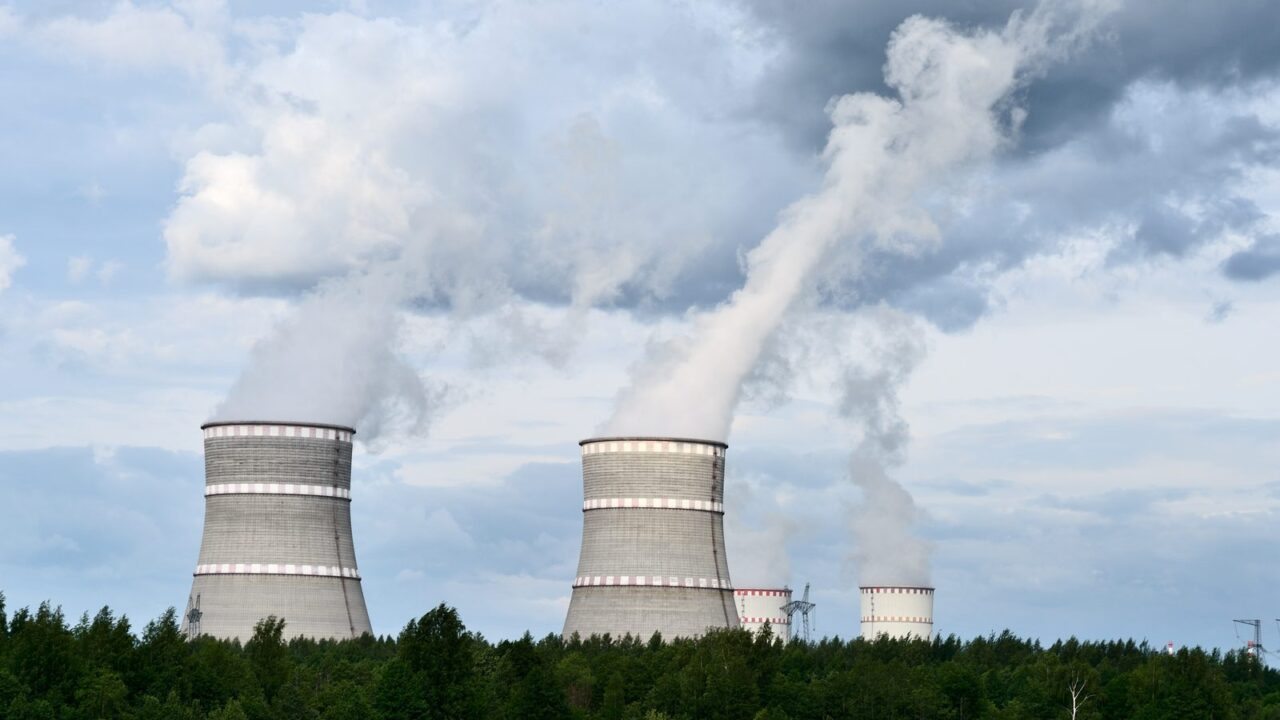
The plant would pair the cloud giant with reactor designer X-energy and utility American Electric Power. AEP would operate the facility, while X-energy would supply 12 of its Xe-100 small modular reactors. The site is the demolished Breed coal plant in Fairbanks, Sullivan County, just south of Terre Haute.
The power would feed the public electric grid, though Amazon says it would also serve its data centers. The deal is the second commercial agreement between Amazon and X-energy, and at three times the size of the first, it signals how urgently the company is hunting for electricity.
A bet on unproven reactors
The Xe-100 is an advanced design, but it is still working through development and licensing. X-energy has yet to break ground on its first plant, a four-reactor project at a Dow chemical site in southeast Texas, where its construction permit is in the final phases of federal review.
That Texas project is the real proving ground. If X-energy cannot deliver there on time and on budget, the Indiana timeline slips with it. The company went public in April at $23 a share, jumped on its debut, then lost nearly two-thirds of its value, a reminder of how skeptical markets remain. News of the Amazon deal lifted the stock about 10 percent in premarket trading, according to reports.
Amazon has already invested heavily in X-energy, leading a $700 million funding round in October 2024. Together the companies say they want to bring 5 gigawatts of new nuclear capacity online in the United States by 2039.
Coal country goes nuclear
Indiana has a complicated history with nuclear power. The Marble Hill plant was abandoned half finished in 1983 after $2.5 billion had been spent, and it has been under demolition since 2008. Amazon says the new project could create about 1,000 construction jobs and 100 permanent roles, though no construction timeline has been announced and the financial terms were not disclosed.
The broader logic is straightforward: artificial intelligence is driving a surge in electricity demand, and utilities are struggling to keep up. Small modular reactors promise factory-built units that avoid the budget overruns that plagued the last generation of American nuclear plants, though experts caution that mass manufacturing often takes a decade to deliver savings.
For now, the Indiana project exists mostly on paper and in renderings. But with two of corporate America’s biggest energy buyers lining up behind it, the small reactor industry’s long-promised revival has its most serious test yet.