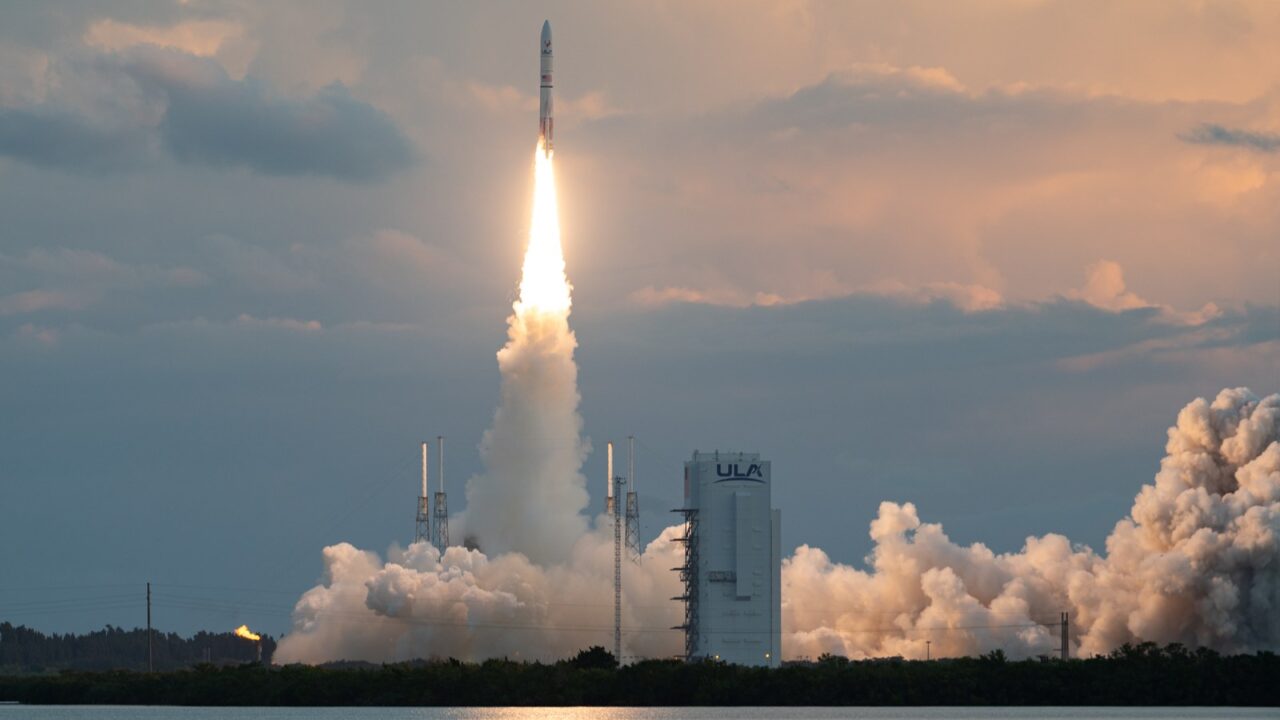
United Launch Alliance lost a Vulcan rocket and 40 Amazon Leo broadband satellites on Sunday, after the vehicle failed minutes into its flight from Florida. The company confirmed the rocket suffered an anomaly about 10 minutes after liftoff and never delivered its payload to orbit, in what is reported to be the first total mission failure in its 20 year history.
The rocket lifted off from Space Launch Complex 41 at Cape Canaveral at 12:40pm local time, carrying Amazon’s first Leo satellites. Six solid rocket boosters performed well and separated on schedule, according to reports, but the twin main engines burned at least 30 seconds longer than planned. Telemetry then showed the rocket beginning to spin, and although the Centaur upper stage separated and its engines ignited, it could not be brought back on course.
A first failure after two decades
United Launch Alliance was formed in 2006 from the rocket divisions of Boeing and Lockheed Martin, and had never lost a mission outright before Sunday. Vulcan had survived booster problems on two of its four earlier flights and still reached orbit, but this failure was of a different kind. The company said it had no specific data yet on what went wrong, and has promised full transparency while engineers investigate. The rocket is expected to stay grounded indefinitely.
Amazon had booked 38 Vulcan launches to build Leo, its satellite broadband network, and Sunday’s flight was the first of them. The company still has 37 launches reserved, each carrying 40 or more satellites, and its constellation stands at 396 spacecraft of a planned 3,292. Amazon recently built its 1,000th satellite, so more than half of its nodes are still in storage waiting for a ride to orbit.
Wider effects
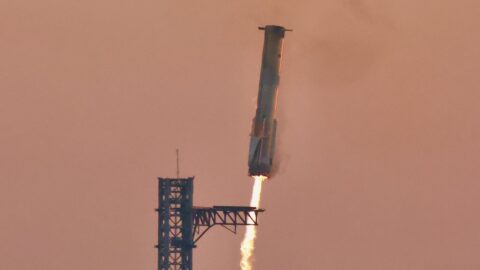
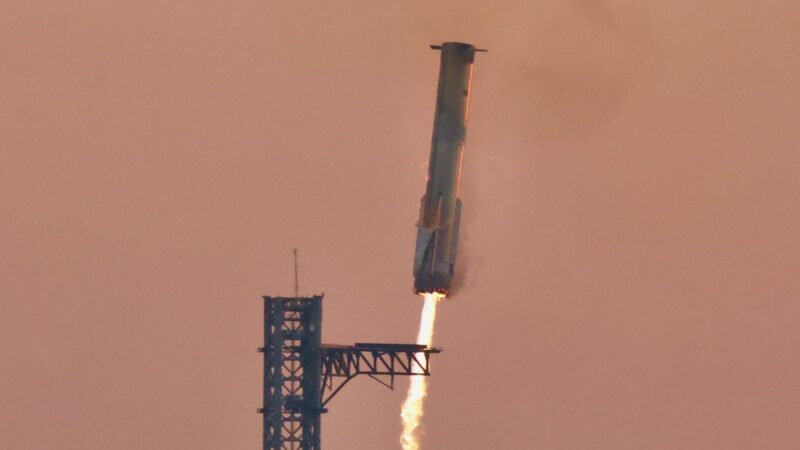
The grounding reaches well beyond Amazon. Vulcan is contracted to launch roughly half of the United States military’s national security space missions, and earlier delays had already forced the Space Force to move six launches to SpaceX, with more swaps now expected. The network is being built as a direct rival to SpaceX’s Starlink, whose Starship upper stage was caught by tower arms at the weekend.
The failure follows a rare nationwide ground stop that stranded travellers across the United States. Amazon also has 10 launches booked on SpaceX’s Falcon 9 and more on Europe’s Ariane 6, and those are likely to carry the next satellites while Vulcan is grounded. The cause is unconfirmed, and early reporting points to the booster stage.
Amazon struck a confident note after the loss, saying there is risk with any launch, especially with inaugural missions, and that it still trusts its partner to learn from the flight. United Launch Alliance said it did not meet its own standard of mission success, and will return to flight only once the cause is understood.