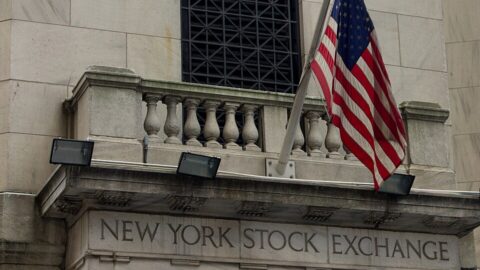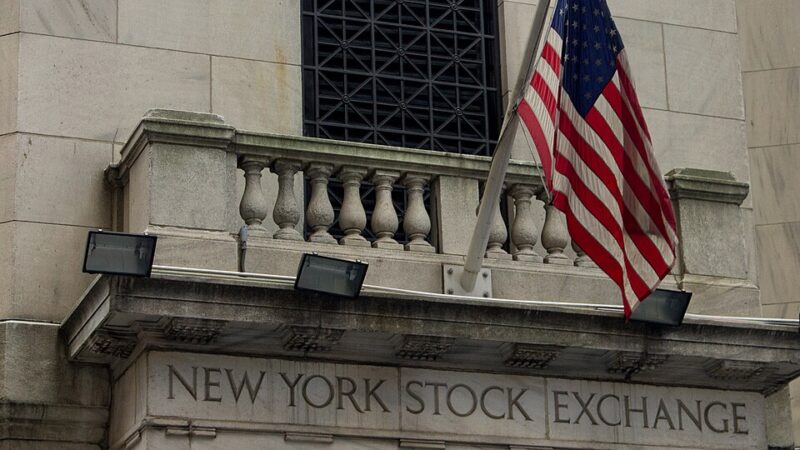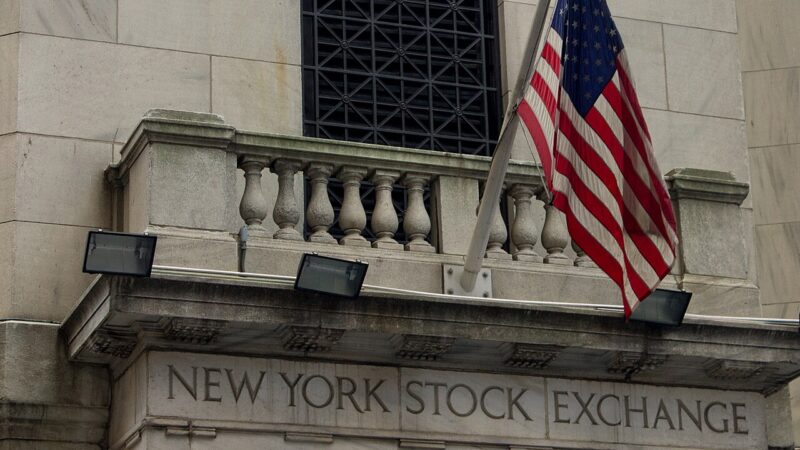


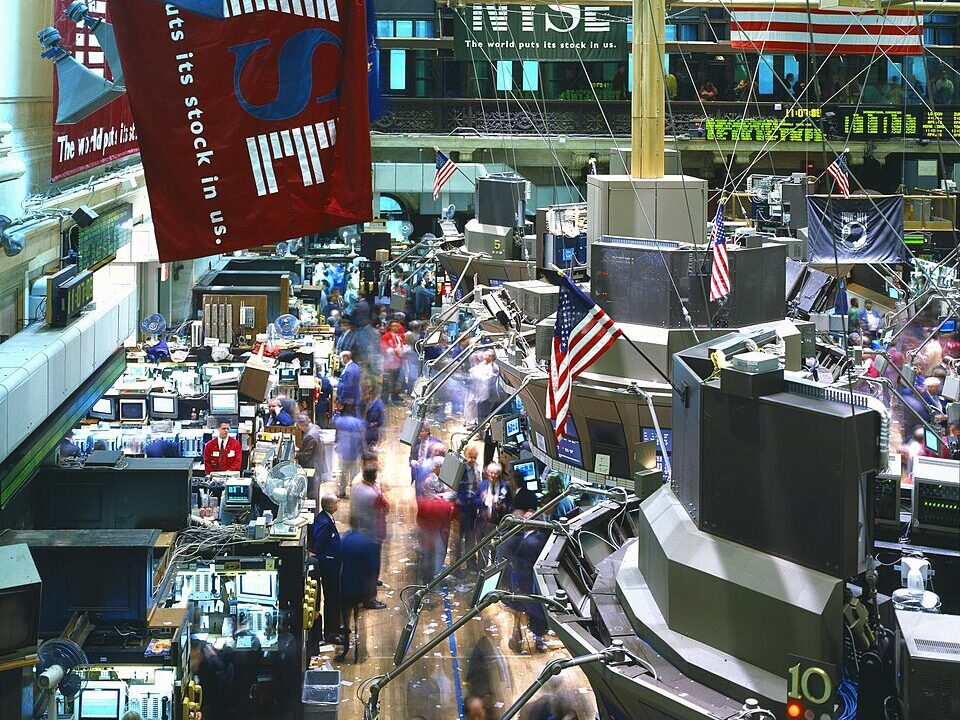
Wall Street ended the week on the defensive on Friday as a deepening selloff in artificial-intelligence-linked stocks dragged the Nasdaq Composite down 2.1 per cent, capping its worst week since June.
The tech-heavy index closed at 26,140.03. The S&P 500 fell 1.1 per cent to 7,659.44, while the Dow Jones Industrial Average slipped a comparatively mild 0.34 per cent — about 175 points — to 52,002.41, holding on to a small weekly gain. The Nasdaq lost 4 per cent across the week; the S&P shed 2 per cent.
Chips lead the retreat
Semiconductor shares bore the brunt. Chipmakers fell for an eighth straight session, their longest losing streak since 2008, with AMD, Broadcom and Intel down between 4 and 6 per cent and memory makers Sandisk, Western Digital and Seagate off 7 to 7.5 per cent. The VanEck Semiconductor ETF dropped 3 per cent on the day and 10 per cent on the week. Oracle shed another 5 per cent and is nearing a 52-week low.
CoreWeave, the cloud provider at the centre of the rout, fell a further 11 per cent on Friday — a 25 per cent weekly loss — as its total debt climbed to $51 billion and the cost of insuring its bonds against default hit record levels.
Debt, oil and the AI question
Traders are questioning whether the enormous borrowing funding AI data-centre buildouts can be repaid if revenue growth disappoints, while competition fears from China have added to the pressure, according to CNBC’s market coverage. Rising crude — Brent touched $110 a barrel this week on attacks in the Strait of Hormuz — has revived inflation worries on top of hot September inflation data, complicating the outlook for interest rates as bank earnings roll in.
The market’s fear gauge, the VIX, climbed past 22 for the first time since June. Nvidia chief executive Jensen Huang continues to argue the benefits of AI will soon outweigh investor concerns — but after Friday’s session, Wall Street is demanding proof.