

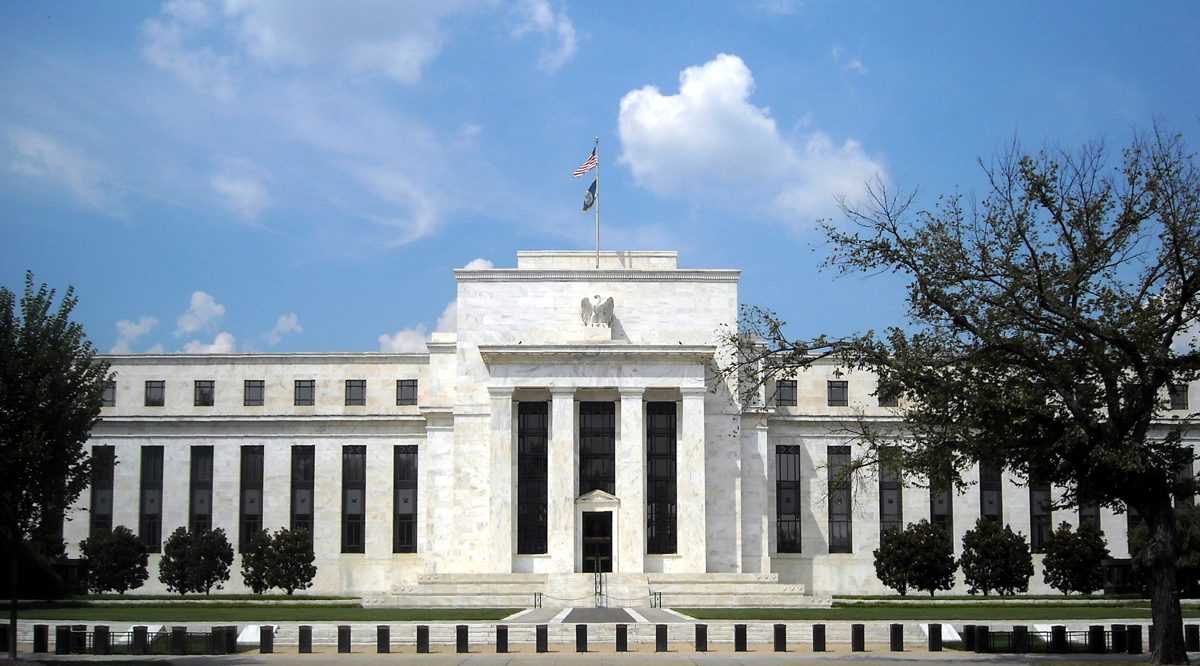
The Federal Reserve’s late-October meeting became a live contest on Wednesday after the September consumer price index came in hotter than expected. The headline index rose 0.6% on the month, lifting the annual rate to 3.7% from 3.4% in August — above the 3.6% that economists polled by Dow Jones had forecast, according to the Bureau of Labor Statistics.
The core measure, which strips out volatile food and energy prices and carries the most weight inside the central bank, also beat expectations — rising 0.3% on the month and 2.6% on the year. One economist called the core reading’s three-month pace “well above 3% annualised”, describing it as problematic for anyone hoping the inflation fight was won.
Fuel surge drives the overshoot
Gasoline was the single biggest culprit, jumping 9.1% on the month and accounting for more than half of the headline gain. Pump prices are now 34.2% higher than a year ago, fuel oil has climbed 74.2% over the same span, and the energy index rose 5.2% in September. The Fed’s October Beige Book said oil-price pressure had appeared in reports from all twelve districts — noting the average US retail diesel price hit a record $6.52 a gallon on Sept. 22 before easing to $6.27 by Oct. 12.
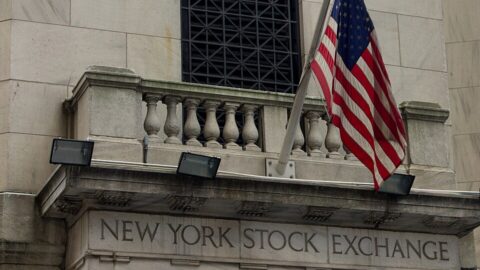
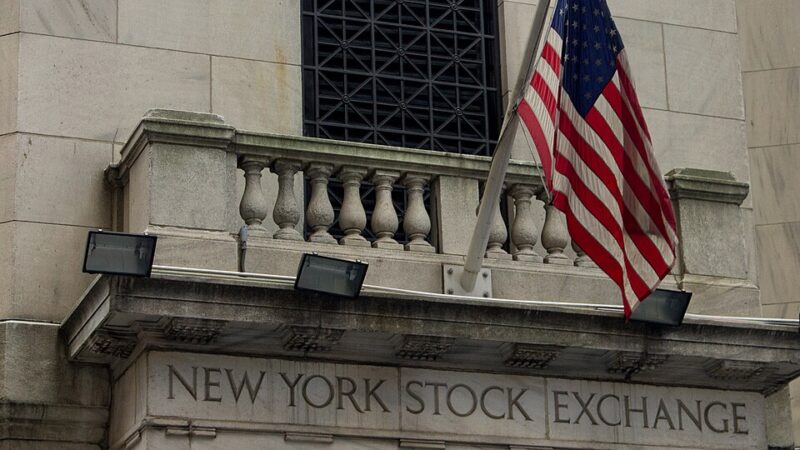
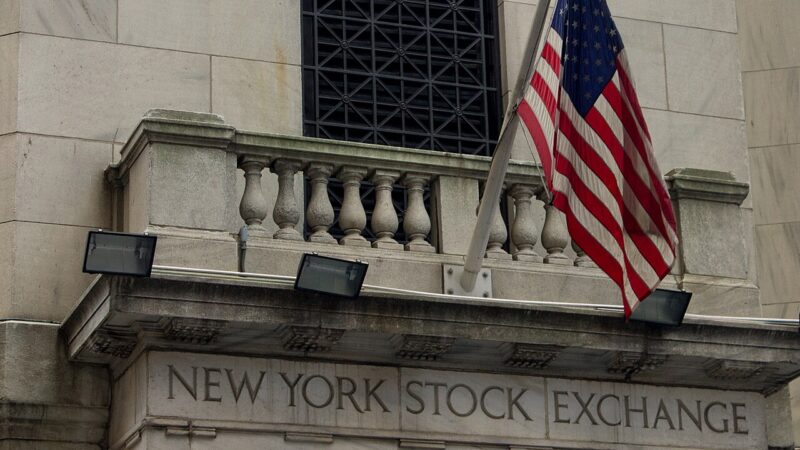
The report landed after Wall Street had braced for the September inflation reading, with investors positioning ahead of the data and the start of quarterly bank earnings season. Traders had also been watching the 10-year Treasury yield climb toward recent highs on worries that stubborn price pressure would keep borrowing costs elevated.
October hike back on the table
Futures-market gauges showed the implied probability of a quarter-point hike at the Oct. 27-28 meeting leaping from roughly one-in-five before the data to as high as one-in-two at the day’s peak. The 10-year Treasury yield touched about 5.33%, close to a 24-year high. Equities sold off hard: the S&P 500 fell 1.1% and the Nasdaq dropped 1.9%, their worst session since July. Debt-laden AI names bore the brunt — CoreWeave sank about 16%, Nebius 11%, Oracle 9% and Dell 11%, wiping out roughly $80 billion in combined market value.
The timing gives the numbers extra weight: this is the final inflation print before the Federal Open Market Committee votes, with the next CPI release not due until Nov. 10. The Fed raised its benchmark to 3.75%-4.00% on Sept. 15-16, its first increase in more than three years, and the New York Fed president has signalled one further increase may be enough. For households, borrowing costs are rising alongside pump prices just weeks before the Nov. 3 midterm elections. The official breakdown is summarised in reports on the September CPI data.