

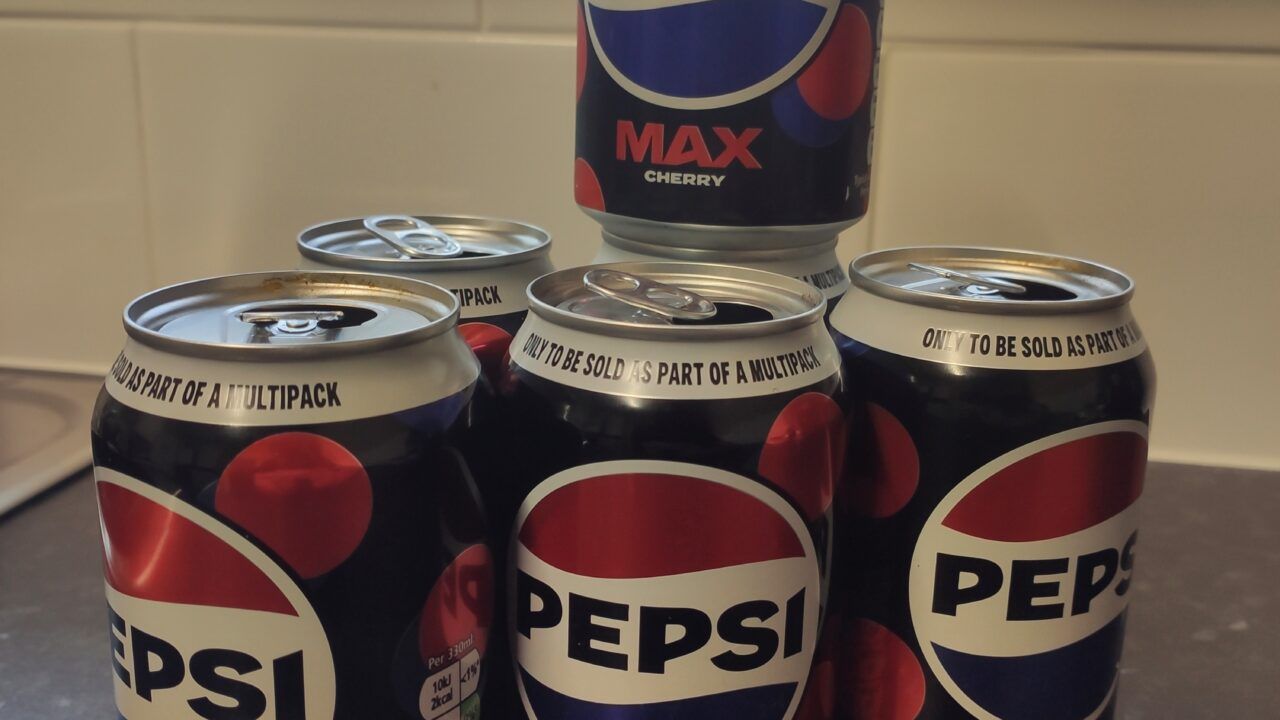
PepsiCo reported third-quarter results ahead of Wall Street expectations on October 8, but lowered its full-year profit outlook as its North American turnaround takes longer than planned and costs remain elevated.
The snacks and beverages company posted net revenue of $25.27 billion, up 5.6 percent from a year earlier and ahead of analyst estimates of roughly $25 billion, according to multiple reports of the release. Adjusted earnings came to $2.34 a share, modestly above consensus forecasts clustered around $2.29 to $2.30. Reported earnings were $2.23 a share, up from $1.90 a year earlier. Organic revenue grew 3.1 percent in the quarter.
The international business was the bright spot. Reports of the results said each international segment delivered net revenue growth, extending a multi-year run of mid-single-digit or better organic expansion outside North America. At home, the picture was weaker. North American beverage volumes fell, food volumes were broadly flat, and management acknowledged that recovery in the region is proceeding more slowly than the company had hoped. Sequential improvement in volume and market share, helped by lower net pricing, offered some encouragement without changing the overall assessment.
It was the guidance that drew the market focus. PepsiCo trimmed its full-year earnings-growth outlook to a lower range than previously guided, while nudging its revenue expectations slightly higher on the strength of international performance. Analysts noted the tension in that combination: sales are growing, helped by pricing, currency and acquisitions, but the growth is not converting into profit at the expected rate as input costs, investment needs and soft U.S. demand press on margins. The company said North American operating margins would remain under pressure in the fourth quarter.
Chief Executive Ramon Laguarta, in comments reported from the release and call coverage, said the company is focused on sustaining international strength while acting with urgency in North America, identifying structural cost reductions it expects to implement in the coming months. Management linked the planned savings to tighter control of corporate and discretionary spending, with the aim of funding brand investment without surrendering profitability. New product launches and sharper brand building are the other half of the plan.
The results land in a difficult consumer environment. Shoppers remain sensitive to prices after several years of increases across packaged food and drinks, and PepsiCo itself has signalled that selective price adjustments, in both directions across categories, will be part of managing volumes. For investors, the quarter therefore reads as a story of two companies inside one: an international operation compounding steadily, and a North American core still searching for the formula that restores volume growth without giving back the pricing gains of recent years.
Shares rose in early trading on the day of the report despite the reduced outlook, as investors weighed the earnings beat and the international performance against the slower domestic recovery. The stock had fallen over the preceding months, leaving expectations low. Whether that forbearance lasts will depend on evidence, over the next two quarters, that cost reductions translate into margin stabilisation and that U.S. volumes respond. For now, PepsiCo has bought itself credibility on sales while conceding, plainly and in numbers, that profit will take longer to follow.
The quarter also matters beyond one company. PepsiCo sells across nearly every American grocery aisle, which makes its North American volumes a useful, if imperfect, gauge of household demand heading into the holiday season. Flat food volumes and softer beverage demand, set against resilient international sales, mirror the broader pattern of a U.S. consumer who is still spending but trading down, shopping promotions and resisting another round of price increases. Rival Coca-Cola shares rose on the same day, helped by a rotation into consumer staples as technology stocks fell, a reminder that defensive earnings retain their appeal when growth sectors wobble. PepsiCo said it still expects to return $8.9 billion in cash to shareholders this year, underlining that the guidance cut reflects margin pressure rather than a balance-sheet problem. The test management has set itself is operational: convert steady sales into steadier profit, in the market that matters most to its valuation.