
U.S. employers added 29,000 jobs in September, well short of the roughly 84,000 to 90,000 gain economists had expected, according to Labor Department figures reported on October 2. The unemployment rate edged up to 4.2 percent from 4.1 percent in August, a move the Bureau of Labor Statistics characterised as little changed, while hiring estimates for July and August were revised down by a combined 60,000 jobs.
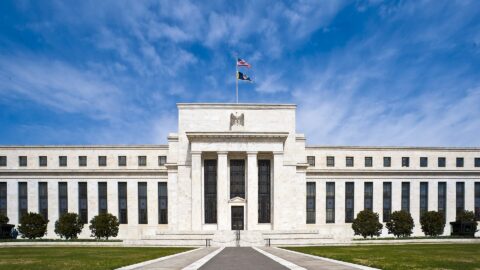
The softer report has reshaped expectations for the Federal Reserve, which raised its benchmark rate in September and meets again on October 27-28. Market pricing tracked by the CME FedWatch tool put the probability of another increase this month at roughly one-in-five or lower after the jobs release, down sharply from a week earlier, while still pointing to a meaningful chance of a further move in December. Several regional and national Fed officials have publicly counselled patience in recent days, saying inflation remains too high but that policymakers need more time to judge whether price pressures are easing.
For households, the report cuts in two directions. Average hourly earnings rose just 0.1 percent in September and 3 percent over the year, according to the Labor Department, a pace that continues to lag inflation on the measures cited by analysts. Slower wage growth alongside thinner hiring suggests consumer spending power will remain squeezed even if borrowing costs stop rising. Analysts quoted in coverage of the report described a low-hire, low-fire labour market: layoffs have not surged and weekly jobless claims remain contained, but companies are adding staff cautiously.
The timing matters because the September decision to tighten was taken on a stronger picture of summer hiring that has since been revised. August payrolls, initially reported far above forecasts, were marked down, and July was cut as well. That sequence helps explain why futures markets moved so quickly to price out an October increase: the data the committee relied on six weeks ago no longer describe the same economy, even though the unemployment rate, at 4.2 percent, remains low by historical standards and has stayed in a narrow 4.1 to 4.3 percent band since March.
Investors initially read the report as reducing the urgency of further tightening, and major U.S. indexes rose on the day of the release. The relief comes with an important caveat, however. Inflation, not employment, has been the binding constraint on policy all year, and officials have repeatedly tied the path of rates to incoming price data. A hotter reading in the next consumer or producer price reports could revive expectations of another increase before year-end, while a cooler print would strengthen the case for an extended pause.
Businesses face the same fork. A hold in October would keep financing costs at current levels rather than adding to them, which matters for interest-sensitive sectors such as housing, autos and small-business credit. But it would not deliver relief either: with the policy rate already raised in September and longer-term Treasury yields elevated, lenders are unlikely to loosen conditions quickly on the basis of one soft payroll print. Recruiters, meanwhile, will watch whether September proves to be a pause or the start of a slower hiring trend heading into the holiday season.
The next test arrives quickly. The October 27-28 meeting will be preceded by fresh inflation data, and Fed officials have signalled they will weigh the two mandates together rather than reacting to employment alone. For now, the September report has bought the economy time without changing its underlying tension: hiring is cooling faster than expected at the same time as the work of bringing inflation back to target remains unfinished. How that balance evolves over the next two reports will decide whether the autumn tightening cycle has already peaked.