

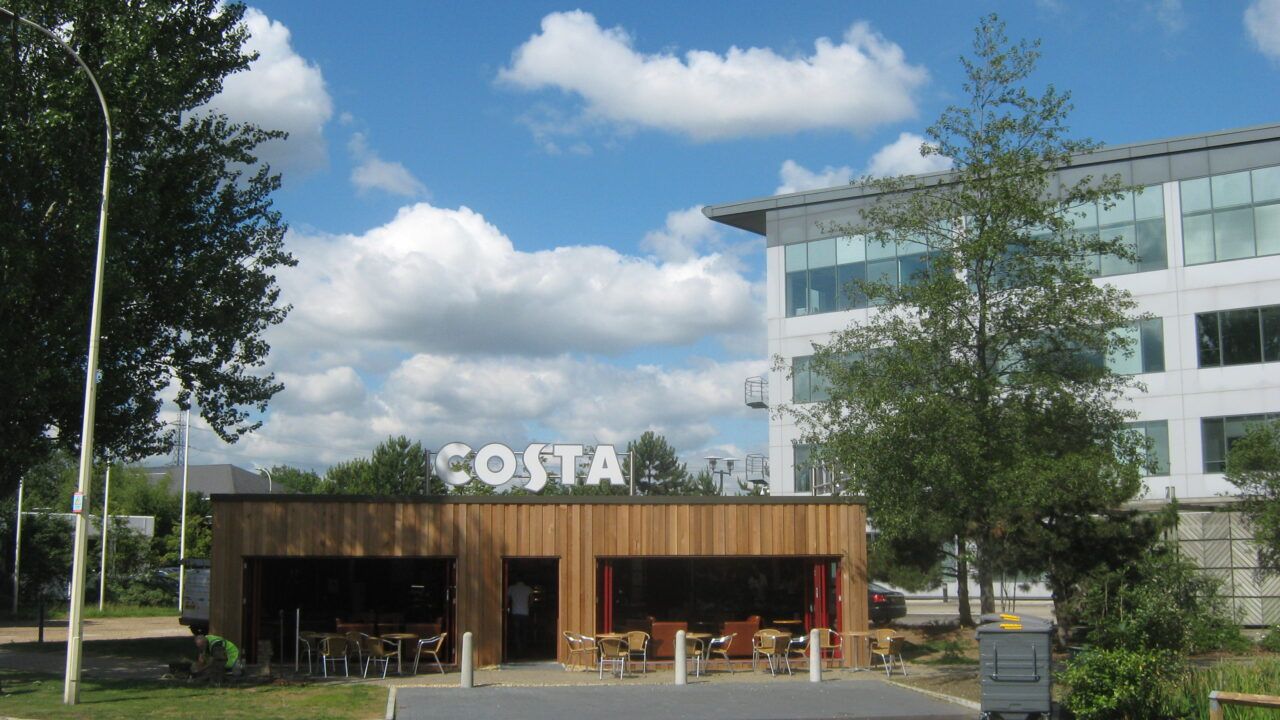
Coca-Cola is again exploring a sale of Costa Coffee, reviving an effort to unwind its roughly $5 billion acquisition of the British coffee chain after an earlier process failed to attract bids the company was willing to accept, Reuters reported on October 8, citing a report by Semafor and people familiar with the matter.
The Atlanta-based drinks group bought Costa from Whitbread in 2018 in a deal valued at $5.1 billion, with the transaction closing in January 2019. The purchase was Coca-Cola push into coffee and ready-to-drink categories beyond its core soft-drinks business. Costa operates thousands of outlets, concentrated in the United Kingdom and Ireland, alongside a growing international footprint.
According to the reports, Coca-Cola first tested buyer interest in 2025 and halted the process earlier this year after private-equity offers came in below its expectations. The renewed exploration suggests the company still views the chain as non-core, even though finding a buyer at an acceptable price has already proved difficult once. At least one strategic acquirer is reported to have examined a possible deal during the latest round before deciding against proceeding, citing valuation and fit.
Coca-Cola did not immediately comment on the reports, and the price the company might seek in a new process could not be determined. That uncertainty is central to the story. A sale near the original purchase price would represent a comparatively clean exit from a retail business that has always sat apart from Coca-Cola bottling and concentrate model. A materially lower price, by contrast, would underline how much the market value of high-street coffee retail has shifted since 2018, through a pandemic, a cost-of-living squeeze and intensifying competition.
Costa recent trading, reported separately in the United Kingdom, adds nuance to any sale narrative. The chain has described a year of progress, with revenue growth and a return to operating profitability after investment in store refurbishments and new drinks formats. At the same time, competition at home has intensified, with rival bakery-and-coffee chain Greggs recently overtaking Costa by number of U.K. outlets. A seller can present improving sales as evidence of value; a buyer can point to the same competitive pressure as a reason for caution. The gap between those two readings is what stalled the last process.
For Coca-Cola, the strategic question has not changed. Coffee remains an attractive global category, but owning and operating thousands of cafés is a different business from selling beverages through partners and bottlers. Divesting Costa would sharpen the portfolio around brands the company can scale through its distribution system, while retaining exposure to coffee through ready-to-drink and partnership formats if it chooses.
No timetable for a sale has been reported, and the company could again decide to keep the chain if offers fall short. People familiar with the matter, as cited in the reports, describe an exploration rather than a launched auction. Until Coca-Cola confirms a process or a buyer emerges, the story remains what the reporting says it is: a second attempt to answer a five-billion-dollar question, in a market that has already given one answer the seller did not accept.
Any sale would also be watched well beyond Atlanta. Costa is one of the largest coffee chains in Britain, and a change of ownership would rank among the more significant consumer deals of the year, with consequences for high-street employment, franchise partners and the competitive balance against Starbucks and independent operators. Private-equity firms that examined the business in the previous process will be an obvious audience for a revived sale, alongside trade buyers weighing whether scale in coffee retail still commands the premium it once did. Reporting on the renewed interest does not identify bidders, and none should be assumed. What is clear is that Coca-Cola, having tested the market once and walked away, now has to show either a changed price expectation or a changed buyer pool. If neither materialises, the chain it bought to diversify beyond soft drinks may remain in the portfolio by default rather than by design.