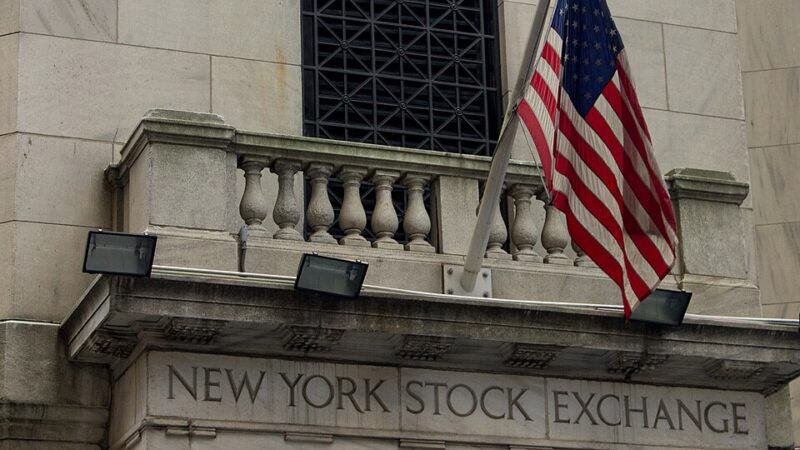

US employers added 165,000 jobs in October, more than two and a half times the 65,000 economists had expected, in a report that surprised almost every forecaster on Wall Street. The Bureau of Labor Statistics released the figures on Friday morning, and the unemployment rate dipped to 4.1 percent from 4.2 percent in September. It was the strongest hiring month in some time, and it arrived just as the market was braced for a weak number after a run of soft data.
Why it matters
The details underneath the headline were almost as striking as the headline itself. Professional and business services added 70,000 jobs, with healthcare and transportation and warehousing also adding workers, and the average monthly gain over the past year had been only 48,000. Average hourly earnings rose 0.4 percent on the month to 38 dollars, taking annual wage growth to 3.1 percent. About 7.1 million people were unemployed, little changed from the month before, and the unemployment rate has now stayed between 4.1 and 4.3 percent since March.
The report also rewrote the recent past. August payrolls were revised up to 186,000 from 133,000, and September was revised up to 60,000 from 29,000, a combined upward revision of 84,000 jobs. That matters because the first estimate of any month is an early reading, and the revisions say the labour market was stronger through the summer than the first prints suggested. The labour force participation rate inched up to 61.9 percent from 61.8 percent, a small move in the right direction.
What happens next
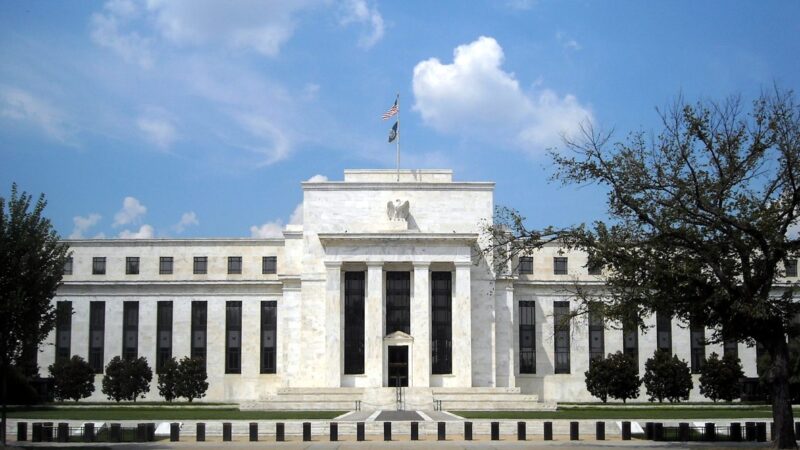
For the Federal Reserve, the report changes the argument without settling it. A strong jobs market gives policymakers more room to focus on inflation, which ran at 3.7 percent over the year to September, well above the 2 percent target, and traders raised the odds of a December rate increase to about 78 percent. The Fed held its benchmark rate at 3.75 to 4.00 percent at its October 28 meeting, and its next decision comes on December 8 and 9, after the November inflation report on November 10.
What happens next will be decided by that inflation report and by the market reaction in the days ahead. A hot consumer price reading would strengthen the case for a December hike, while a cool one would let the Fed wait. For workers, the report is simpler good news: more jobs, rising pay, and a labour market that is cooling without breaking. For investors, it is a reminder that the economy keeps refusing to follow the script, in either direction.