
The Federal Communications Commission has authorised SpaceX to deploy up to one million satellites carrying artificial intelligence chips, the first approval in US history for a constellation of data centres in space. Announced on Wednesday, the decision clears the way for the company’s Starmind network, which aims to process AI workloads in orbit and beam the results back to Earth.
Under the approval, SpaceX must launch its first Starmind satellite by November 2033, a tenth of the constellation by 2035 and half by 2038, and complete the full network by 2040. They will fly at altitudes between 500 and 1,002 kilometres, linked by high-speed lasers to each other and to Starlink, and powered by solar energy captured in space.
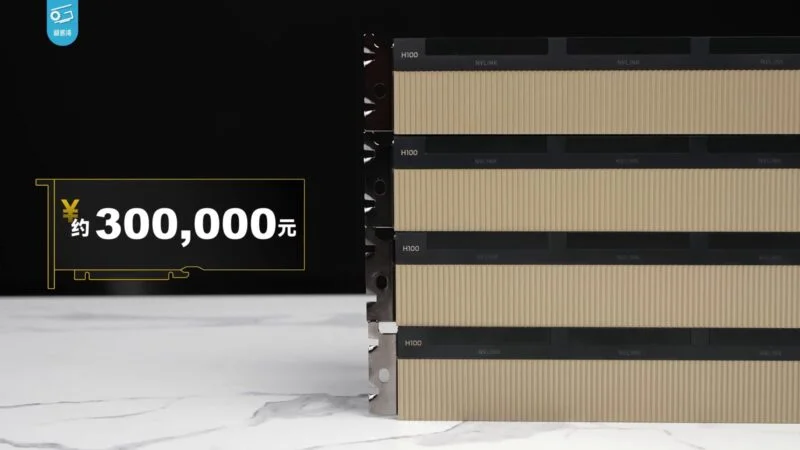
SpaceX describes Starmind as a way to capture solar energy in space to power low-cost, high-performance AI computing for Earth. It plans to build the satellites’ chips at a new Terafab facility, working with Nvidia on the compute payload.
Objections overruled
The approval came despite formal objections from Amazon, whose Kuiper system competes with Starlink, the satellite operator Viasat and the American Astronomical Society. Amazon called the application a lofty ambition rather than a real plan, while astronomers warned of orbital debris, radio interference and harm to the night sky. The FCC rejected the petitions and said some concerns about scientific research fell outside its authority.
FCC chair Brendan Carr said the action opens a bold new frontier for the computing infrastructure needed to power America’s leadership and growth. Elon Musk thanked Carr on X, calling the network a great asset to America and the world.
A long road before launch
The approval is conditional, and orbital data centres are not imminent. SpaceX still has to solve how to manufacture and launch satellites cheaply at vast scale, cool processors in space and finance chips destined for orbit. The FCC also deferred its request to move retired satellites above 600 kilometres into graveyard orbits, saying it had not provided enough detail about disposal plans.
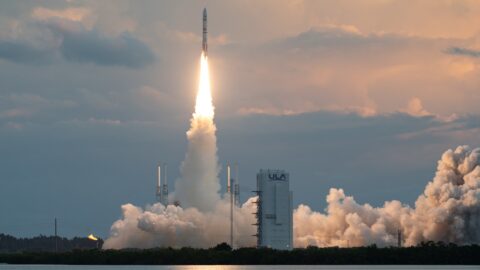
The decision lands as Washington tightens export controls on advanced chips, and as rivals race to put computing in orbit. Google launched its first Project Suncatcher AI server satellite last month, and Blue Origin is due to carry out the first dedicated heavy-lift launch for the project in 2029. SpaceX chief financial officer Bret Johnsen said last week the company plans to launch its first data centres into space in 2027.
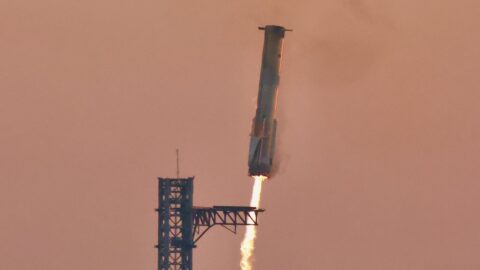
The scale is striking. Around 17,000 satellites orbit Earth today, and just over 11,000 of them belong to Starlink. It adds to a busy year for SpaceX, whose Starship booster was caught by tower arms on its return to Earth earlier this month. Whether one million satellites can be built, launched and operated safely remains open, but the regulator has now said yes.