The United States is preparing new export controls to stop Chinese companies reaching advanced AI chips by renting computing power abroad. Under an interim rule from the Commerce Department, companies will need a licence to export, re-export or transfer AI chips and servers to data centres if they could supply computing power to firms in China or other restricted countries.
The rule closes a gap in the existing controls. Until now, the US required licences to ship AI chips directly to companies in China, Russia, Iran, North Korea and 18 other embargoed countries, known as the D:5 group. But they could still rent access to the chips from data centres abroad. The new rule targets that remote access, and requires exporters and data centre operators to check who their customers really are.
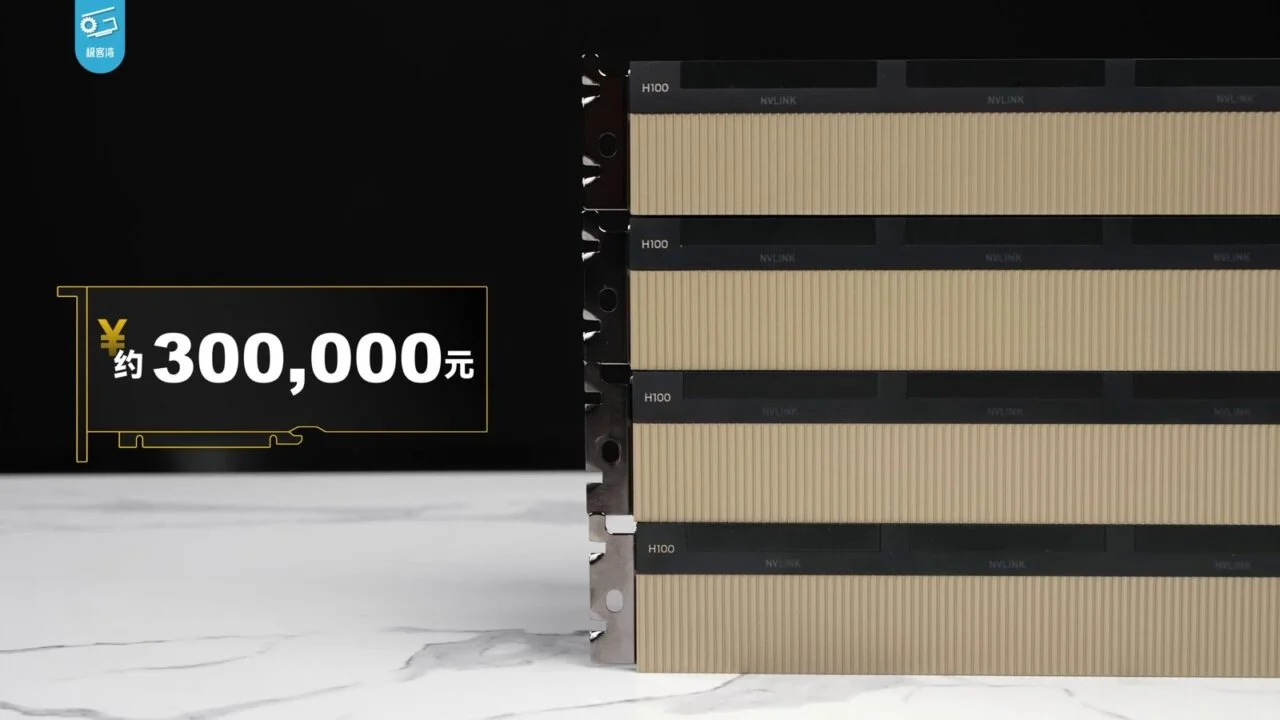
The controls apply to data centres or networks able to supply more than 12 million total processing performance, roughly the power of about 750 Nvidia H100 or H200 chips. It also adds new licensing requirements for chip exports to Malaysia, Singapore, Indonesia, Thailand and Brazil, which the Commerce Department calls a higher-than-normal diversion risk. The rule takes effect 90 days after it is posted to the Federal Register, with existing operators then given 90 days to obtain licences.
End of the Biden-era framework
The rule also rescinds the Biden administration’s AI Diffusion Rule from January 2025, which had set country-level limits on exports of advanced AI chips. The Trump administration said in May it would throw out that framework, arguing it added unnecessary restrictions on US companies and allies.
Washington’s stated concern is that remote access could be used to train and run advanced AI models capable of supporting military and intelligence work, including weapons development, cyber espionage and weaponised disinformation. The Commerce Department said the change was designed to ensure existing restrictions on sensitive American technology cannot be circumvented through remote computing arrangements in third countries.
The other side of the controls
The controls may also push China towards its own chips. Experts cited in Chinese outlets said the policy could accelerate Chinese companies’ shift to domestic AI chips and lock in Chinese technology in the world’s largest single market for chips. Sun Chenghao of Tsinghua University said what US companies stand to lose could be customers and technological influence for years to come.
The rule carves out an exception for computing power used exclusively for commercial recommendation systems. Companies that break the rules could face import restrictions, stricter licence requirements or a lower standing under US export controls. It follows a week of major technology stories, including a ULA Vulcan rocket lost with 40 Amazon satellites and a Microsoft Outlook outage that locked users out of email worldwide.