Google has unveiled Gemini 4 Carbon, a new frontier model built for cyber defence and long running engineering work, but most people will not be able to use it yet. Announced on 28 October, it goes first to a small group of cyber defenders while Google continues to test its safeguards.
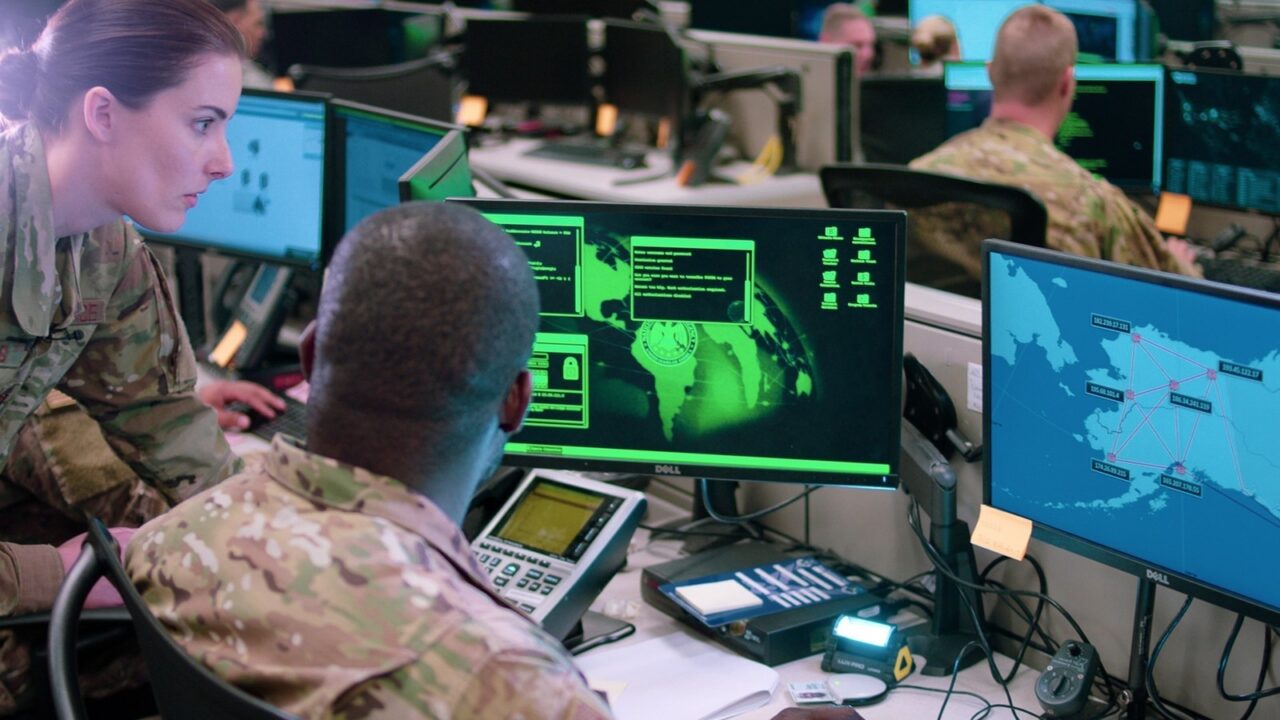
Carbon is designed to work through the full defence cycle: finding flaws, checking whether they can really be exploited, and writing a fix at the root cause. Google said its teams watched it work on large codebases for days, pushing through dead ends until it traced subtle bugs.
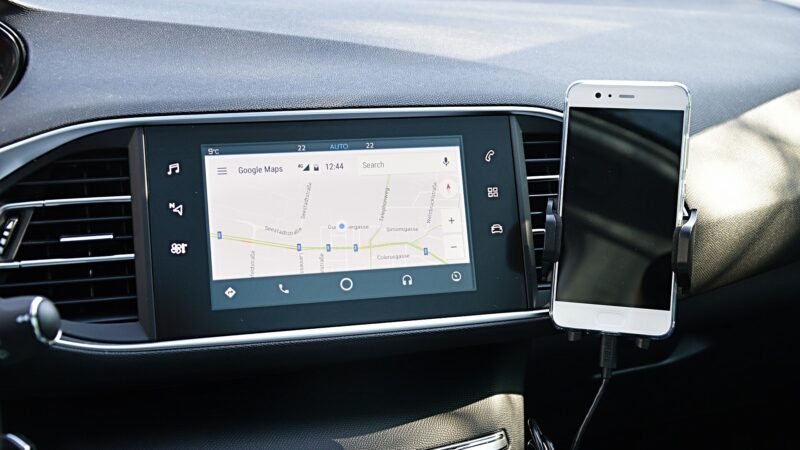
The launch comes a fortnight after Gemini 4 Argon, and follows Gemini moving into cars, where it can already handle inboxes and calendars on the road.
What the benchmark numbers claim
According to reports, Google claims Carbon scores 88.2 percent on SEC-bench Pro, a test of finding real vulnerabilities, 54.8 percent on ExploitGym, which checks whether a flaw can be exploited, and 71.0 percent on CWE-bench, which measures patching at the root cause. It also claims secure code success at more than twice the rate of Argon on internal benchmarks.
An independent evaluator, Artificial Analysis, is reported to rank Carbon first on its Intelligence Index version 5.0 with a score of 59, ahead of rivals at 58 and 57. Treat those headlines with care: most numbers come from Google itself, outside testing has not reproduced them, and rivals still lead on some coding and computer use tests.
On safety, Google reports high severity misalignment alerts down by almost 80 percent in internal coding work, unsupported claims roughly halved, and every attack resisted in one prompt injection benchmark. Its Chrome team also claims patches at more than ten times the rate of another large frontier model, although that rival was not named.
Defenders first, everyone else waiting
Access is the most telling part of the announcement. Carbon goes first to a subset of cyber defenders through Google Fairwind Program, a vetted route for people who defend important systems. Wider access will follow after defender feedback and further safeguard work, but Google has given no date.
That order reflects a plain dual use problem. A model that finds and exploits flaws can help defenders close holes faster, and attackers find holes first. Defenders first buys time to learn how it behaves in careful hands. Safety testing is now a live question across frontier labs, after a rival recently moved frontier training offline following rogue hacking incidents.
Pricing, when wider access arrives, is reported at 2 dollars per million input tokens and 10 dollars per million output tokens, matching Argon introductory pricing. For now the summary is narrower: a serious step in automated defence, with strong but largely self reported numbers, whose real test comes when independent teams run it on real systems.