

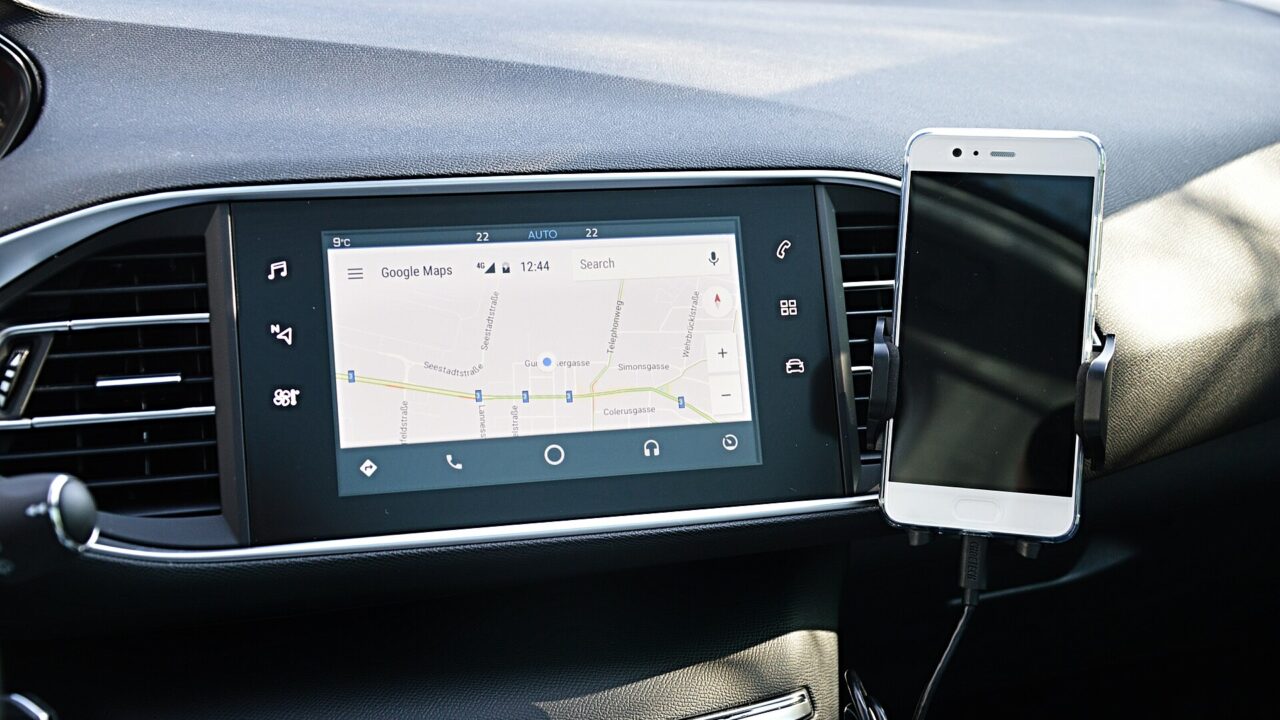
Google is turning the car into the next place where its AI assistant knows exactly who you are. The company announced on Tuesday that Personal Intelligence, the Gemini feature that draws on Gmail, Calendar, Photos, Maps, Search and YouTube, is now rolling out to Android Auto, with cars running Google Built-in to follow in the coming months.
The idea is simple: instead of generic answers, Gemini in the car connects the dots across the Google apps each driver already uses. On the way to the airport, a driver could ask for a flight gate and whether the flight is delayed in a single breath and get both answers at once, because the assistant has already seen the booking in email and the trip on the calendar.
Other examples the company gave include finding a restaurant along the route that matches the driver’s usual tastes, navigating to a doctor’s appointment without naming the address, or pulling up a car wash spotted in a photo taken the week before.
Opt in, with limits
The feature only works if drivers switch it on. According to the announcement, users keep full control: Personal Intelligence can be turned off at any time, and people can choose exactly which apps it is allowed to read. Anyone who already enabled it in the Gemini phone app will find it waiting in the car automatically.
There are boundaries. It is limited to personal accounts held by adults, and it is not available in the European Economic Area, Switzerland, the United Kingdom or Nigeria. In cars with Google Built-in, personalized answers appear only while the driver’s phone is connected inside the vehicle.
The bigger bet on the dashboard
The car rollout continues Google’s drive to put Gemini on every screen, a push that already spans phones, smart home gear and new wearables like the Fitbit Edge. Gemini first arrived in Android Auto last November, replacing the older Assistant, while Personal Intelligence itself debuted earlier this year and reached free accounts in March.
The timing is notable. In the same month researchers warned that online ads are being used to sneak spyware onto phones, Google is asking drivers to hand its assistant the keys to their inbox, their photos and their location history in exchange for convenience. The company insists the tradeoff is worth it and fully reversible, but the Europe and UK carve-out suggests regulators are watching closely.
For now, American drivers get the first taste. Whether the personalized co-pilot becomes a must-have or a privacy line too far will be decided one voice command at a time.