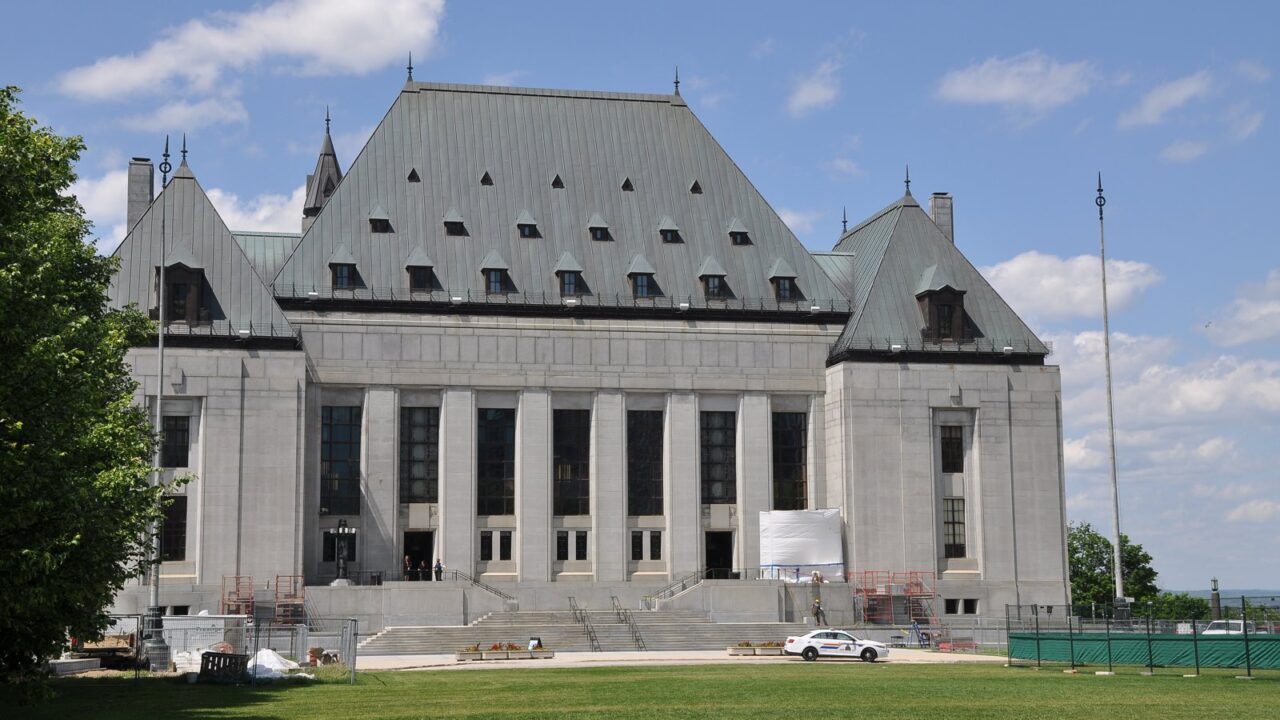
Canada’s Supreme Court has largely upheld Quebec’s law barring public sector workers from wearing religious symbols at work, settling a seven year legal battle.
The court ruled on Friday that Quebec validly used the notwithstanding clause, a provision in Canada’s Charter of Rights and Freedoms that lets governments keep a law in force even if it breaches certain rights. The clause lasts up to five years and can be renewed, and it shielded Bill 21 from being struck down. It comes days after a US jury convicted Huawei of trade secret theft after an eight year case.
One exception for elected members
The judges were unanimous on one limit. A section requiring members of Quebec’s National Assembly to work with their faces uncovered breaches the democratic right to run for office, which the clause cannot override. That provision will no longer apply to elected members.
The court also held judges may formally declare a law breaches Charter rights even when the clause keeps it in force, but only three of the seven justices would have done so here, so no declaration was issued.
Writing for three justices, Chief Justice Richard Wagner said Bill 21 was rooted in Quebec’s legitimate and historical commitment to keeping the state secular. Three justices dissented in part, writing that the law plainly breaches freedom of religion, expression and equality.
A ruling with consequences beyond Quebec
The decision reaches beyond one province. The court confirmed governments can invoke the clause before any court has ruled on whether a law breaches the Charter, and courts cannot add extra limits on its use. That matters because other provinces have begun using the clause more freely, including Saskatchewan on LGBTQ youth legislation and Alberta on a teachers’ collective agreement. Britain has faced its own reckoning over state power, after it was told to admit it ordered Apple to hand over encrypted data.
Reactions split sharply. The National Council of Canadian Muslims called the decision a dark day for constitutional democracy, saying whole categories of people are barred from entire sectors of employment because of who they are. The Canadian Civil Liberties Association said the door to a remedy remains closed for the people the law affects every day.
Prime Minister Mark Carney said his government was carefully studying the 500 page ruling. Quebec Premier Paul St-Pierre Plamondon welcomed it as a victory for the province’s distinct secularism, while Alberta Premier Danielle Smith called it a win for provincial rights.
The law has already reshaped working lives in Quebec. Some Muslim women have removed their hijabs at work to keep their jobs, and others have left the province. For now the ban stands, and the court’s reading gives every province a clearer path to use the clause.