

The average rate on a 30-year fixed mortgage in the United States rose to 7.40 percent this week, Freddie Mac said on Thursday, the seventh consecutive weekly increase and the highest level since November 2023. The benchmark stood at 7.28 percent a week earlier and 6.30 percent a year ago. The average 15-year fixed rate, popular with borrowers refinancing, climbed to 6.73 percent from 6.60 percent.
Freddie Mac weekly survey is a market average for conventional, conforming home-purchase loans with strong borrower credit and a substantial down payment, not a quote available to every applicant. Even so, it captures the direction confronting buyers this autumn. Mortgage rates tend to follow the yield on 10-year Treasury notes, which was around 5.29 percent at midday Thursday, near its highest levels in more than two decades. Bond investors have been demanding more compensation amid persistent inflation, heavy government borrowing and energy-price risks linked to the war involving Iran, all of which have pushed longer-term yields higher through the year.
The arithmetic for households is unforgiving. On a $400,000 loan, the rise of roughly 1.4 percentage points since the average briefly dipped below 6 percent in late February adds about $376 a month in principal and interest compared with that low, according to an Associated Press analysis cited in coverage of the release. Compared with a year ago, the same loan costs roughly $276 more each month. For first-time buyers, that difference is often the margin between qualifying and not qualifying. For existing owners locked into pandemic-era rates, it is a powerful reason not to move, which keeps the supply of homes for sale tight even as demand cools.
Demand is already responding. Mortgage applications for purchases and refinancing combined have fallen for five consecutive weeks, Mortgage Bankers Association figures show, with refinancing applications at their lowest since January 2025. Adjustable-rate loans have taken a larger share of applications as some borrowers accept a lower initial payment in exchange for future rate risk. None of this has yet produced a broad fall in prices: in many markets, scarce listings continue to support values, leaving buyers facing the worst combination of high prices and high financing costs.
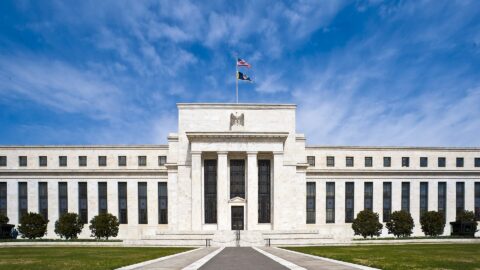
The housing squeeze also feeds back into monetary policy. Shelter costs are a large component of the inflation measures the Federal Reserve targets, and a market frozen by high rates does little to expand supply. The Fed raised its policy rate in September and has signalled that further moves depend on incoming inflation data; mortgage borrowers, however, take their cue from the bond market, which can keep home-loan rates elevated even if the central bank pauses. That disconnect is why a soft jobs report can lift stocks while doing nothing for a family pricing a mortgage this weekend.
What would bring relief is equally clear: a sustained fall in inflation that lets Treasury yields retreat, or a material increase in homes coming to market. Neither is scheduled. The next inflation reports, due in mid-October, are the nearest catalyst that could move yields in either direction. Until then, buyers are being advised by lenders to compare quotes on the same day, consider seller-funded rate buydowns, and model payments at a quarter-point higher as insurance. Seven weeks of rising rates have turned that caution from prudence into necessity.
For sellers, the message is subtler. Well-priced homes in supply-starved areas are still selling, but the pool of qualified buyers at 7.40 percent is smaller than it was at 6 percent, and it is more sensitive to condition and location. Agents say negotiation has shifted toward concessions that reduce monthly cost rather than headline price, from buydowns to closing-cost credits. In a market defined by a shortage of options, the rate itself has become the negotiation.