

The National Institutes of Health has awarded a five-year, $13.1 million grant to researchers who are engineering Salmonella bacteria into delivery vehicles against one of the hardest forms of breast cancer to treat, according to News-Medical, Bioengineer.org and the University of Massachusetts Amherst.
The program brings together investigators at the University of Massachusetts Amherst and Dr. Sarah Cheal of Weill Cornell Medicine. Organizers describe it as the first NIH grant of its kind for bacterial cancer therapies. Cheal, an assistant professor of biological chemistry in radiology, is a multiple project investigator on the award and will receive $2.7 million of the funding for her part of the work.
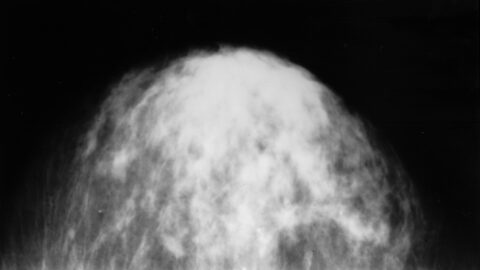
The target is triple-negative breast cancer, named for what the tumor cells lack: the estrogen receptor, the progesterone receptor and excess HER2 protein. Because those three features are missing, the hormone therapies and HER2-directed antibodies that changed care for many other patients do not work. Treatment leans heavily on chemotherapy, and when a tumor becomes resistant to those drugs, options can narrow quickly.
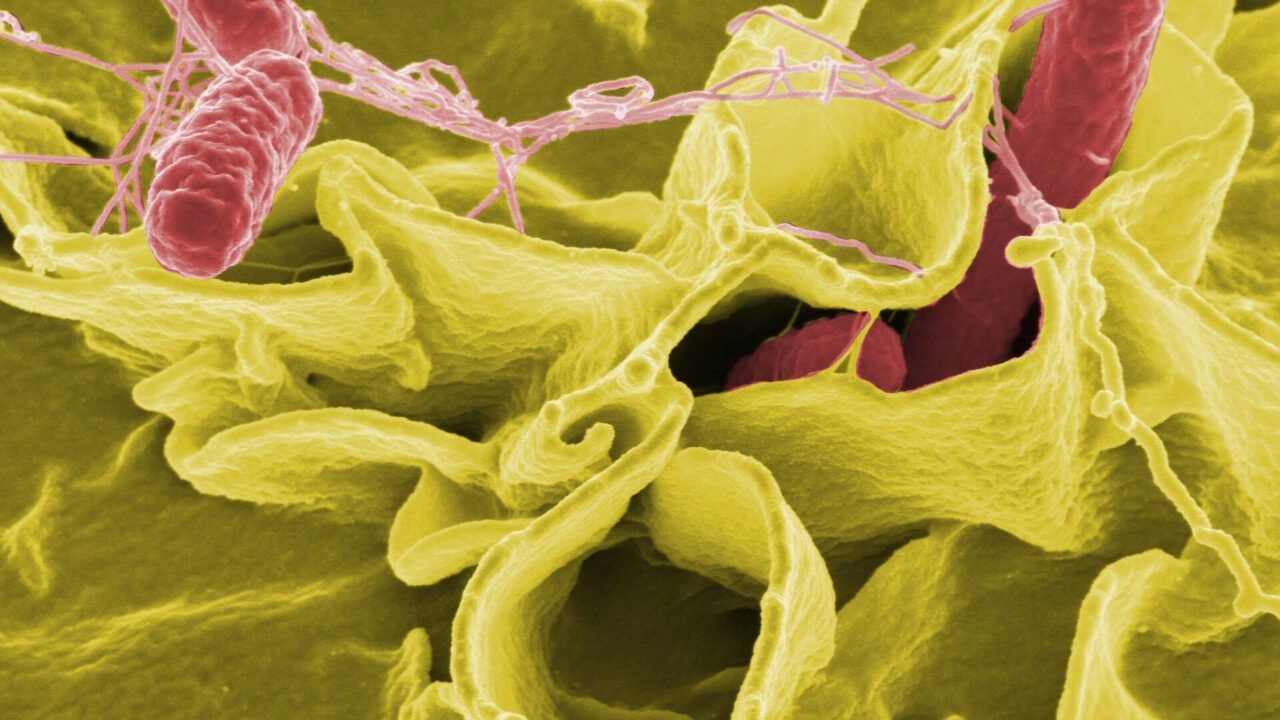
The strategy uses Salmonella that has been genetically altered to be nontoxic and reprogrammed to home to tumors. In one arm of the work, the bacteria are designed to carry substances that attract radiopharmaceutical therapy, a treatment that delivers radioactive metals directly to cancer. The bacteria themselves cannot carry the radioactive metals, so the team is building a homing system in which the bacterial signal draws the radiation to the tumor while limiting exposure elsewhere. The same approach is also being designed for imaging, with bacteria carrying metals that emit positrons that can be seen on a PET scan, potentially helping clinicians locate disease and follow response.
The award is research funding, not approval of a treatment, and the work remains at the laboratory stage. Turning a living bacterium into a predictable medicine requires extensive testing of safety, dosing and manufacturing long before any use in patients could be considered. Nothing in the announcement suggests the therapy is available to patients, and people with breast cancer should not expect access to it outside the normal research process.
What the grant signals is institutional backing for an idea that once sat at the edge of oncology: that bacteria, which naturally seek out the low-oxygen interior of solid tumors, can be tamed and put to work there. Over the next five years, the UMass and Weill Cornell teams aim to design strains that can deliver three treatment options, building the evidence needed to judge whether bacterial delivery deserves a place in future trials against drug-resistant disease.
The choice of Salmonella reflects decades of work on how bacteria behave inside solid tumors. Tumor interiors often have low oxygen and poor blood supply, conditions that limit how well some drugs penetrate but that certain bacteria tolerate and even seek out. Engineering teams try to keep that tumor-seeking behavior while removing the features that make wild bacteria dangerous, then add cargo systems that can be switched on in the right place.
Radiopharmaceutical therapy adds a second layer of targeting. Radioactive metals can kill cancer cells at short range, but only if they accumulate where the cancer is. The Weill Cornell portion of the program is built around solving that delivery problem: using the bacteria to create a beacon at the tumor that attracts the therapeutic metal. The imaging component follows the same logic in reverse, letting researchers see where the system has gone before judging whether it worked. Together, the therapy and imaging arms will show whether bacterial delivery is precise enough to justify the long road toward clinical testing.