

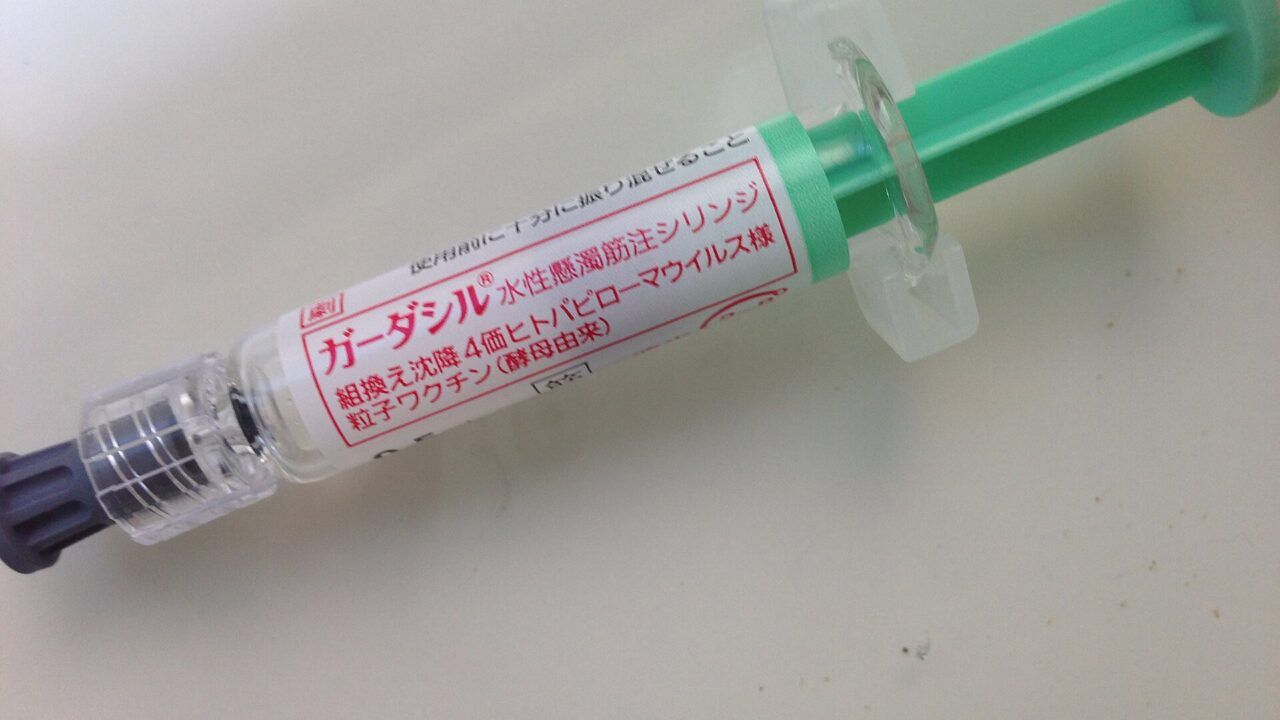
Women who received the human papillomavirus vaccine before pregnancy were less likely to face several serious complications, including giving birth very early, according to a large Swedish study published in The BMJ and reported this week by the University of Minnesota Center for Infectious Disease Research and Policy, News-Medical and MedicalXpress.
The research team at Karolinska Institutet used nationwide Swedish registers covering 624,713 first singleton births to first-time mothers aged 16 to 35 between 2006 and 2023. Of those mothers, 92,620, about 15 percent, had received the quadrivalent HPV vaccine before becoming pregnant. That vaccine protects against four types of HPV, including types 16 and 18, which account for roughly 70 percent of cervical cancers.
Compared with unvaccinated women, those vaccinated before pregnancy were about 5 percent less likely to give birth before 37 weeks and about 15 percent less likely to give birth very prematurely, between 28 and 31 weeks. They were also about 7 percent less likely to experience rupture of the membranes before labor and about 8 percent less likely to have a baby who was small for gestational age. The study also examined stillbirth and newborn death, and vaccination was associated with lower odds across the adverse outcomes studied after the researchers accounted for factors such as smoking, body mass index, maternal diagnoses, assisted reproduction, country of birth, income and education.
The pattern was stronger when vaccination happened earlier. Among women vaccinated before age 17, the risk of premature delivery was about 10 percent lower than among unvaccinated mothers, the risk of premature membrane rupture was about 14 percent lower, and the risk of a small baby was about 9 percent lower. The researchers said that timing fits earlier evidence that the vaccine protects best when given before exposure to the virus, which spreads through sexual contact.
HPV is best known as the leading cause of cervical cancer, but infection and the treatment of cervical cell changes linked to the virus have also been associated with a higher risk of pregnancy complications. Preventing infection in the first place could therefore reduce the need for those treatments later, one possible pathway behind the new findings.
The authors were careful about what the study can and cannot show. Because it is observational, it cannot prove that vaccination caused the lower risks. Information on spontaneous abortion was incomplete, and factors the registers did not capture could still have influenced the results. The team concluded that the findings add to previous research suggesting vaccination is not only safe with respect to pregnancy outcomes but may also carry additional benefits. This report describes research findings and is not medical advice. People with questions about vaccination in their own circumstances should discuss them with their own clinician.
Preterm birth is a leading cause of newborn illness and death worldwide, and babies born very early face higher risks of breathing problems, developmental delays and long hospital stays. That is why even modest percentage differences attract attention when they appear in a dataset of more than six hundred thousand births. A 5 percent lower likelihood of preterm birth, applied across a whole population, would represent a large number of families, even though the benefit for any one pregnancy cannot be predicted from group data.
The Swedish registers also gave the researchers an unusually complete view, linking vaccination records to birth outcomes across sixteen years of first births. The consistency of the pattern, lower risks across several related outcomes rather than a single isolated result, and the stronger association with vaccination before age 17 are the features the authors highlight. Independent confirmation in other countries with different health systems will be an important next test, as will research that separates the effect of preventing infection from the effect of avoiding treatment for cervical cell changes later in life.