

Meta Platforms expects capital expenditure of $130 billion to $145 billion in 2026, a range the company has narrowed upward as it builds purpose-built data centres for artificial intelligence. The outlook, raised from an earlier $125 billion to $145 billion range and roughly double what Meta spent in 2025, places the social-media group among the largest single investors in AI infrastructure anywhere in the world.
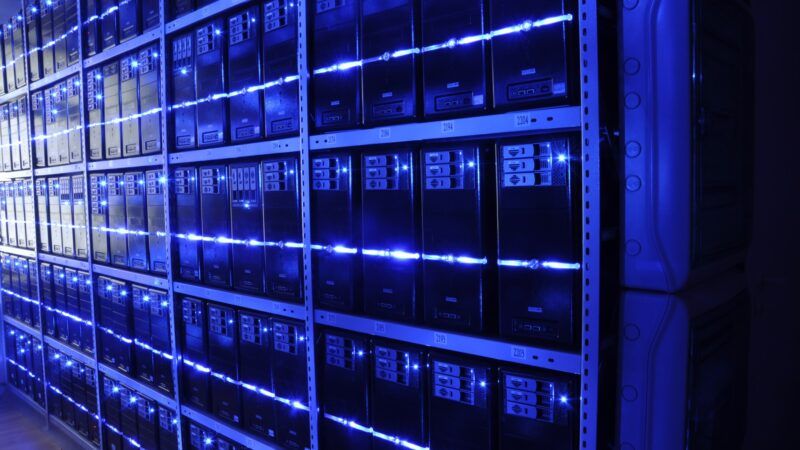
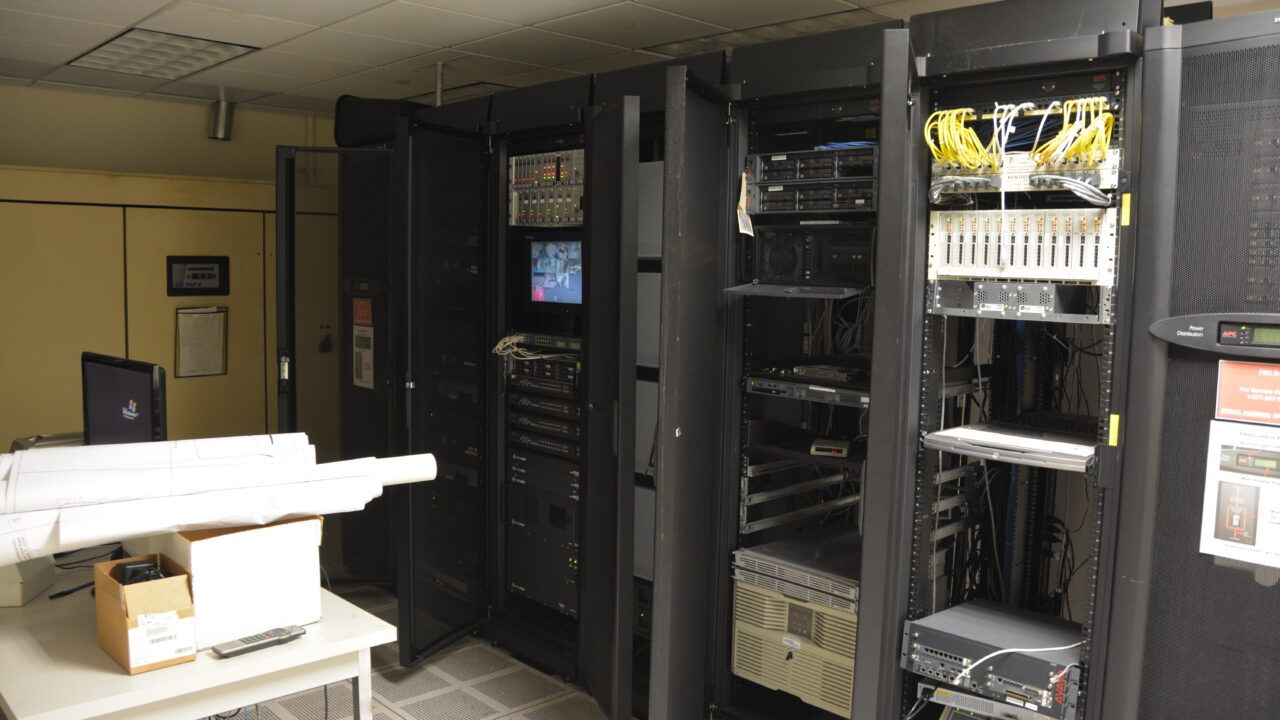
The spending supports a fleet of 33 data centres in operation or under construction. Two projects define the scale. Prometheus, a 1-gigawatt cluster in New Albany, Ohio, is due to come online in 2026. Hyperion, in Richland Parish, Louisiana, is planned to scale up to 5 gigawatts, developed through a joint venture with Blue Owl Capital covering about $27 billion of development costs. In July, Meta announced a further venture with BlackRock to develop and own a 1-gigawatt campus in El Paso, Texas, with BlackRock funds holding 80 percent and Meta 20 percent, and capacity expected to begin arriving in 2028.
The joint-venture structures are the strategic story inside the headline number. Meta historically funded its infrastructure from the cash flow of its advertising business, which still provides nearly all its revenue. At $130 billion-plus a year, the build-out now draws in the largest infrastructure investors in the world as partners, spreading both the cost and the risk of facilities whose useful life must be measured against a technology cycle that moves in months. Mark Zuckerberg, the company founder and chief executive, has framed the partnerships as allowing Meta to move faster and at greater scale toward what it calls superintelligence.
The operating backdrop helps explain the urgency. Meta reported second-quarter revenue of $60.8 billion, up 28 percent, the fastest growth since late 2021 outside the prior quarter, with 3.6 billion people using its apps daily. It spent $31.08 billion on capital projects in that quarter alone. Executives have said demand for computing capacity continues to outrun supply, and the company has discussed doubling overall computing power to 7 gigawatts this year and again to 14 gigawatts next year, alongside deploying its own custom AI chips from 2027 to reduce reliance on purchased processors for some workloads.
Efficiency claims accompany the expansion. Meta says it matched all of its 2024 electricity use, 18.4 million megawatt-hours, with renewable energy, and reports a power usage effectiveness of 1.08 across its fleet, an industry-leading figure that measures how little energy is spent on anything other than computing. Its Louisiana arrangements include funding for new natural gas plants, grid-scale batteries and nuclear uprates, a reminder that AI data centres at this scale reshape the power systems around them, not just the balance sheets of their owners.
The risk is equally concrete. Meta does not sell cloud computing to outsiders at the scale of Amazon, Microsoft or Google, so its return on this spending must arrive indirectly: better recommendations, better advertising, and consumer AI products that do not yet carry the revenue to justify their cost. Analysts have noted that free cash flow has already fallen as investment has risen, and will fall further if spending holds at the top of the range. The raised lower bound of the guidance, however, signals a company choosing to be judged on capacity built rather than cash conserved.
Together with its peers, Meta spending forms the largest private construction programme of the decade, with the five biggest technology companies on course to invest well over $700 billion in 2026. Whether the demand those data centres are being built for arrives on schedule is the central open question in technology. Meta answer, expressed in gigawatts, is that it cannot afford to wait and find out.