

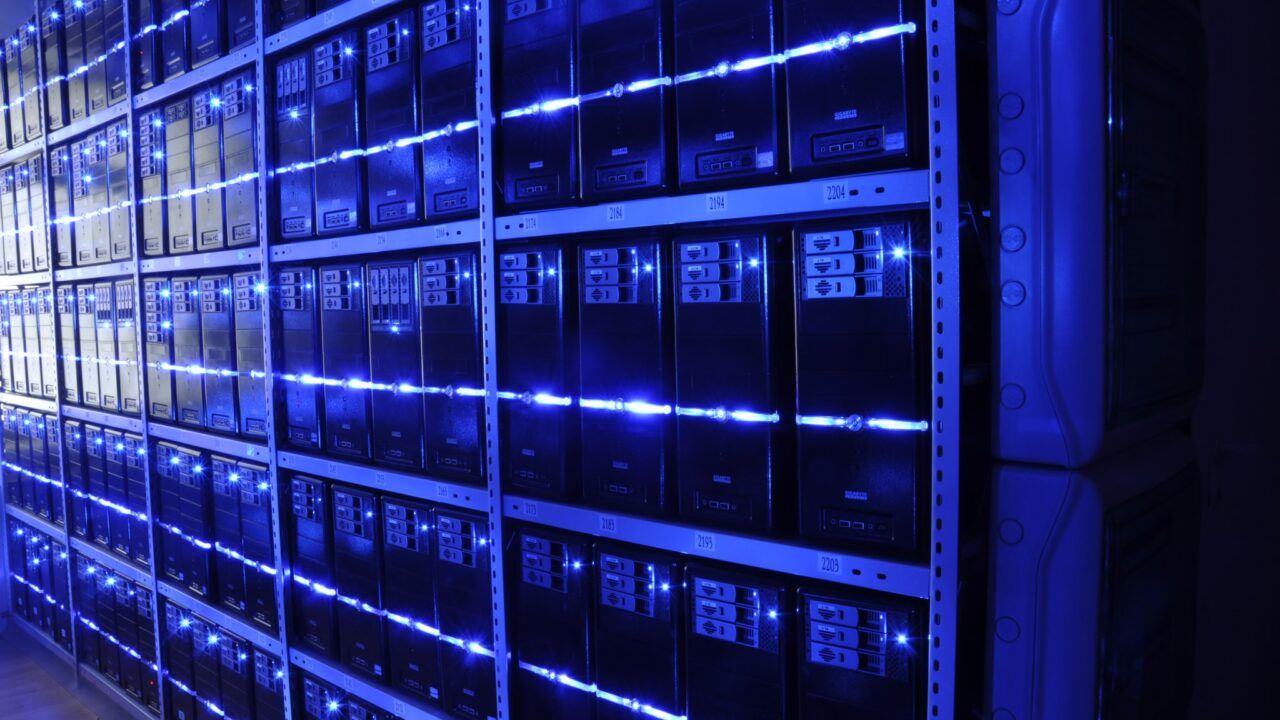
Applied Digital said first-quarter revenue more than quadrupled from a year earlier as demand for its AI data-centre capacity surged, while its net loss widened sharply on the cost of building that capacity. The Dallas-based company reported the results on October 7 for its fiscal first quarter, ended August 31.
Revenue rose to $341.9 million from $80.9 million a year ago, an increase of 322 percent that far exceeded the roughly $133.8 million average analyst estimate compiled by LSEG, according to Reuters reporting of the release. The high-performance computing hosting business, which rents capacity in the company purpose-built facilities, contributed the bulk of sales. On an adjusted basis, the company said its loss narrowed to $0.01 a share, comfortably better than the deeper loss analysts had expected.
The bottom line on a reported basis tells the other half of the story. Net loss attributable to common stockholders widened to $221.0 million, or $0.76 a share, from $18.5 million, or $0.07 a share, a year earlier. Total costs and expenses jumped to $404.3 million from $90.7 million. The company attributed the increase to spending on preparing data centres for customers, higher stock-based compensation and rising interest expenses as it expands its AI infrastructure. As of August 31, it held $3.7 billion in cash, cash equivalents and restricted cash, against $6.4 billion in debt.
Those two halves define the economics of the AI land rush. Applied Digital is signing long-term contracts with large, investment-grade technology customers, the company said, and reports of its results put contracted capacity at about 1.41 gigawatts across five campuses, representing roughly $36 billion in future revenue. Chief Executive Wes Cummins said in the release that the company is building for the long term, focused on large-scale, sustainable AI factory campuses and durable contracts with leading hyperscalers. The gap between that contracted future and today losses is filled with capital: billions must be spent on land, power, buildings and equipment before the rent fully arrives.
Investors, characteristically, could not decide which half to believe. The stock fell during regular trading on October 7, then reversed to gain in extended trading once the earnings detail was digested, as analysts weighed a revenue beat of unusual size against a balance sheet carrying substantial debt. Ratings on the shares remain broadly positive in coverage of the report, with price targets well above the market, reflecting the scarcity value of powered, permitted data-centre capacity at a moment when every major AI company is short of it.
The strategic position is genuinely scarce. Grid connections and suitable sites, not chips alone, are the constraint on AI expansion, and operators who control them can sign the long leases that make lenders comfortable. Applied Digital is also expanding through its majority-owned ChronoScale accelerated-compute platform and into new regions, according to reports of the quarter. Each step, however, adds to the spending that produced this quarter loss.
The company next reports will be judged on conversion: how quickly contracted gigawatts become occupied, revenue-generating halls, and whether financing costs can be refinanced on better terms as leases season. This quarter showed the demand is real and the contracts are large. It also showed, in a $221 million loss, exactly what it costs to be ready for that demand before it arrives.
For the towns hosting these campuses, the stakes are tangible: construction employment now, permanent technical jobs later, and pressure on local power systems that utilities are scrambling to plan for. Applied Digital campuses have become anchor projects in their regions, which is why state and local support often accompanies the financing. The model works while hyperscalers keep signing. This quarter evidence, a tripling of revenue against estimates, suggests they are signing faster than the company can build, which is precisely the imbalance its lenders are being paid to finance.