

A donor-heart recovery technique pioneered for adults at Vanderbilt Health has been successfully adapted for children, offering a new route to transplants for young patients who can wait months for a suitable organ, according to Vanderbilt University Medical Center, MedicalXpress and News-Medical.
Surgeons at Monroe Carell Jr. Childrens Hospital at Vanderbilt and Vanderbilt Healths adult heart transplant team reported in The New England Journal of Medicine that they had recovered and transplanted five donor hearts in children ranging in age from 2 days to 14 years using the technique, known as REUP, short for rapid recovery with extended ultraoxygenated preservation. Since the journal article, five more children have received hearts with the approach, the center said.
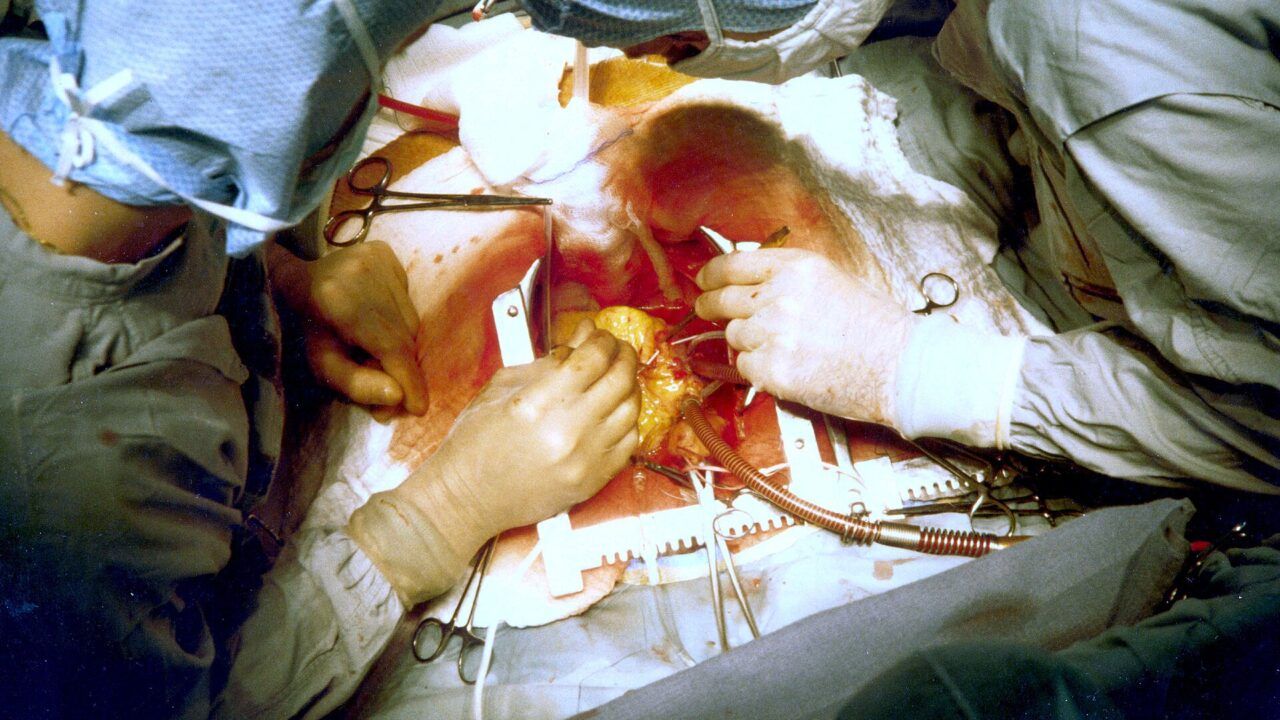
REUP was developed for hearts donated after circulatory death, known as DCD. Existing recovery options for such hearts generally require reanimating the organ, either inside the donors body or on a specialized perfusion device. Vanderbilt notes that those methods can raise ethical concerns in some settings and can be expensive, complex or limited by patient size, a particular problem for infants. REUP takes a different path. Instead of restarting the heart, it preserves the organ by flushing it with a cold, oxygen-rich solution after death.
In the published series, recipients waited an average of 20 days for transplantation. No donor hearts were discarded, and all recipients showed strong heart function after surgery. None required mechanical circulatory support after transplant, experienced primary graft dysfunction or showed evidence of rejection during the study period, the authors reported.
The need is pressing. More than 2,000 children join the waiting list each year in the United States, and long waits carry an associated mortality of about 20 percent among those listed, with neonates and infants facing some of the longest delays. A method that can safely use hearts that otherwise would not have been recovered could shorten waits and reach children across pediatric age groups, the team said.
First author Aaron Williams, an assistant professor of cardiac surgery at Vanderbilt Health, said the adult program has already performed more than 130 REUP recoveries with excellent results, and that modifying the protocol for children opens further possibilities. Senior author Ziv Beckerman, surgical director of pediatric heart transplantation at Monroe Carell, said the group plans to help other programs adopt the technique. As with any early surgical innovation, wider use will depend on training, careful case selection and results as more centers gain experience.
Donation after circulatory death is becoming a larger share of the donor pool for several organs, but hearts were long considered too sensitive to the period without circulation. Adult programs have worked through that problem in different ways, and Vanderbilt adult team built REUP specifically to avoid restarting the heart in the donor or depending on large perfusion machines. The pediatric adaptation had to solve the same physiology at very different sizes, from a two-day-old newborn to a fourteen-year-old.
The eighteen-to-twenty-minute flush with oxygenated blood and del Nido cardioplegia solution described by the center is the heart of the protocol: cool, protect and preserve the organ quickly, then move it under controlled conditions. For families, the practical meaning is simpler. Children who might have waited months, sometimes on mechanical support in hospital, were transplanted after an average wait measured in weeks in this early series. The Vanderbilt teams say sharing the protocol is a priority, because a donor pool expansion only helps nationally if other centers can reproduce the results safely.