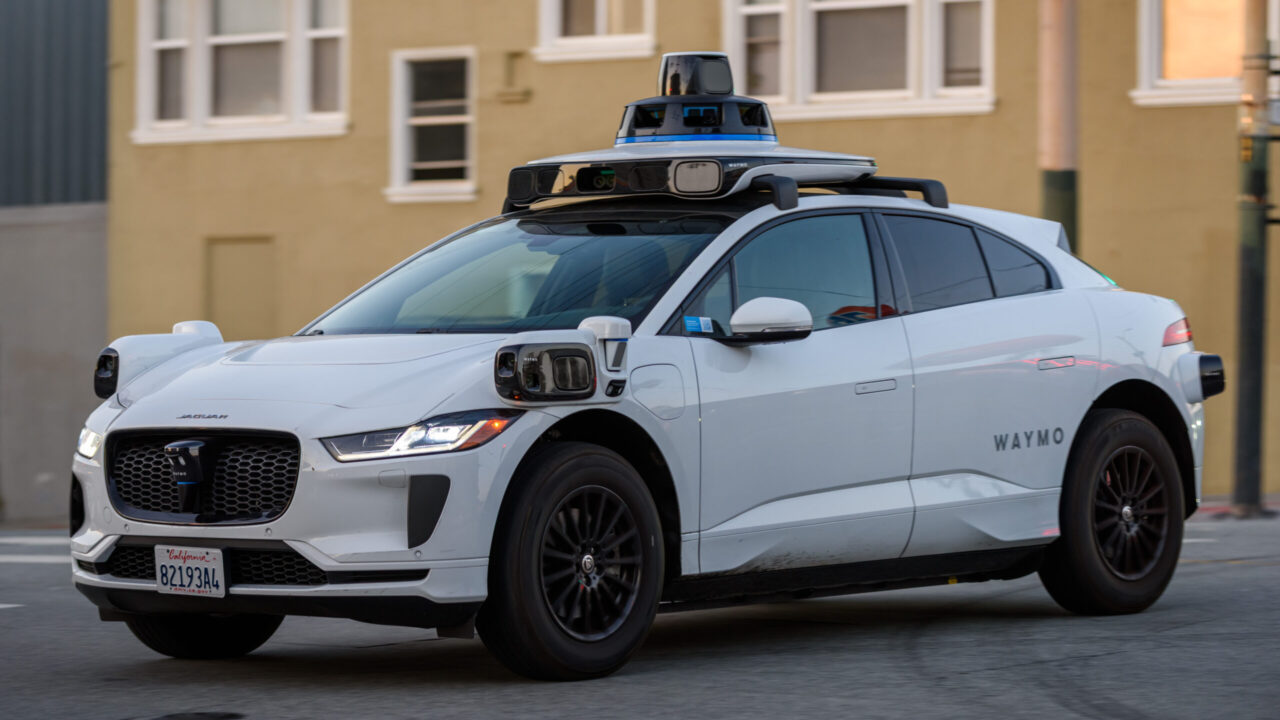
Toyota will build the next generation of Waymo robotaxis, with testing of a purpose built fleet set to begin in Japan in 2027 and the United Kingdom to follow in later years. The two companies announced the next phase of their partnership on October 30, turning an exploratory agreement from April 2025 into a concrete production plan.
Under the plan, Toyota will manufacture 2027 bZ4X electric vehicles and fit Waymo self driving hardware at its Takaoka plant in Toyota City. The companies describe the work as a step toward Japan’s first fully autonomous ride hailing service using high volume, domestically manufactured vehicles. Initial operations will involve a small number of vehicles, according to reports, and no fleet size, operating location, or commercial start date has been disclosed.
A robotaxi built on the factory line
Building the vehicles under one roof matters because the self driving hardware will be integrated during assembly rather than added to finished cars afterwards. That should make it easier to scale production of safety validated Level 4 vehicles, which can drive themselves within a defined area without a human driver at the wheel.
The custom bZ4X has been designed with riders in mind, with generous rear legroom, automatic doors, a power liftgate and ambient lighting. Waymo joint chief executive Dmitri Dolgov said the company chose Toyota for the safety, reliability and quality of its vehicles.
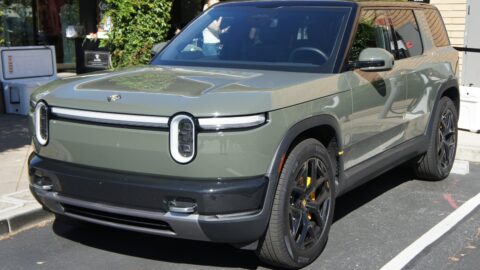
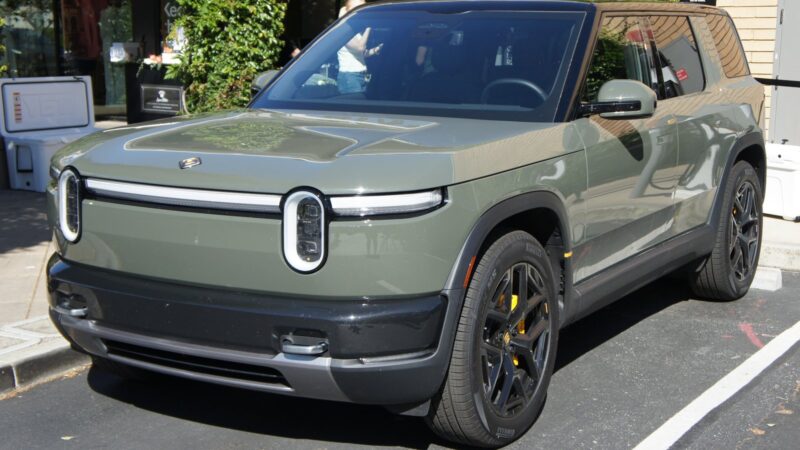
The race to scale driverless services is intensifying across the electric vehicle industry, where Rivian recently reported a record quarter for its R2 electric SUV while pushing its own autonomy plans.
Why Japan and Britain come first
Japan and the United Kingdom both drive on the left, which makes them a natural first pair for a right hand drive fleet. Waymo has already been testing Jaguar I-Pace vehicles in London for months, according to reports, and plans a service there once it receives the necessary permits. In Japan, a Jaguar I-Pace pilot is also still planned for 2027, so the Toyota fleet will arrive alongside existing testing.
Beyond the robotaxi fleet, the two companies will keep exploring autonomous driving technology for personally owned Toyota vehicles. Working with Woven by Toyota, the carmaker’s software arm, they will also examine how insights from Waymo’s real world operations could improve safety for other road users.
Such vehicles depend on heavy onboard computing, an area where recent launches such as the new MacBook Pro and iMac chips from Apple show how quickly processing power is advancing.
For now, the announcement is a production commitment rather than a launch date for passengers. What matters next is where in Japan the first vehicles will run, how regulators in both countries respond, and whether factory built robotaxis can move driverless services from limited pilots to everyday streets.