

The European Space Agencys Solar Orbiter spacecraft has flown through one of the largest magnetic switchbacks ever sampled and traced it to its birthplace on the Sun, according to ESA, Phys.org and The Debrief, reporting research published in Nature Astronomy on October 8.
Switchbacks are abrupt S-shaped kinks in the magnetic field carried outward by the solar wind, the stream of charged particles flowing constantly from the Sun. The field folds back on itself and then snaps forward again. Spacecraft have recorded these structures many times, especially near the Sun, but how they form has been debated. Two broad ideas competed: that they are generated out in the solar wind itself, or that they originate low in the Suns atmosphere, the corona.
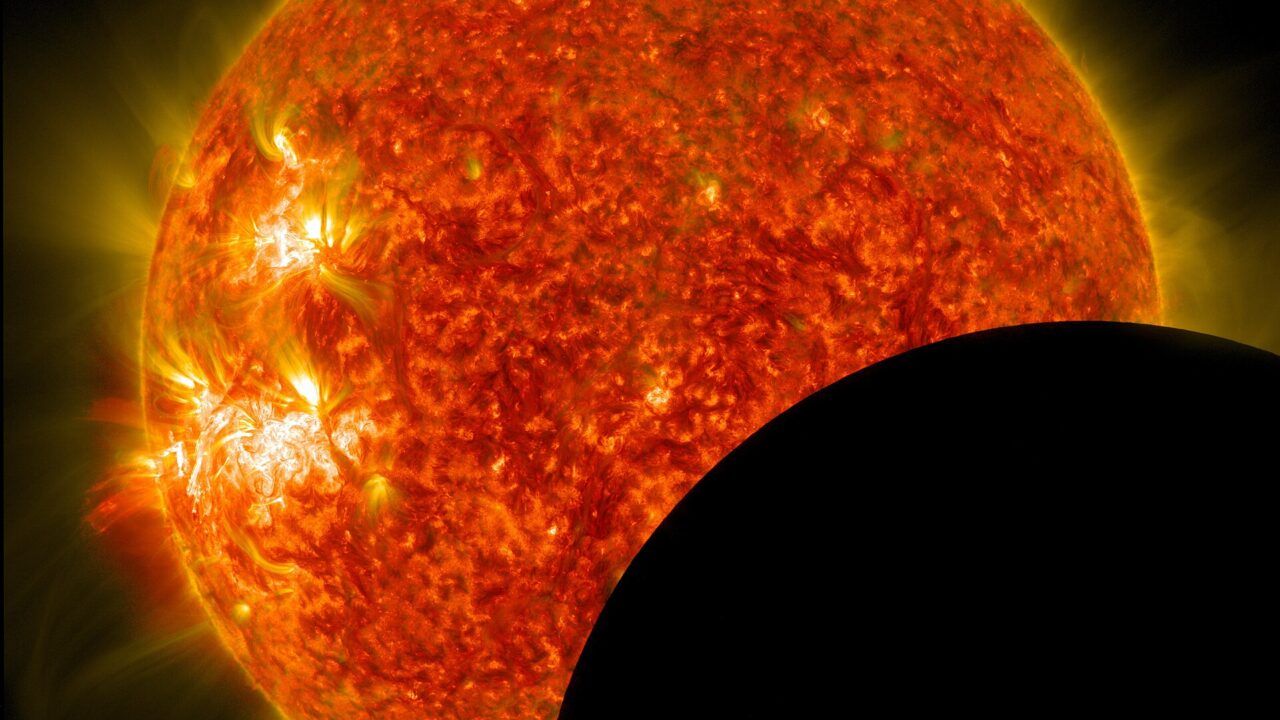
At the time of the encounter, Solar Orbiter was roughly halfway between Earth and the Sun. Because the switchback it crossed was exceptionally large, its Solar Wind Analyser instruments could sample rarely observed particle populations trapped inside the structure. Those particles carry chemical fingerprints of where they came from. The team, led by Jesse Coburn of CNRS in France, combined the in situ measurements with images of the solar disk and magnetic field modeling, connecting Solar Orbiter data to observations from NASAs Solar Dynamics Observatory to identify the switchbacks solar source in unprecedented detail.
The result supports a coronal origin for at least this event and, the authors say, reconciles the competing pictures by placing them at different stages of a switchbacks lifetime rather than treating them as mutually exclusive. The work also shows how the Suns atmosphere heats and accelerates solar wind particles and stamps a recognizable signature on them, offering a way to read the history of solar plasma even when it is measured far from the Sun.
That matters beyond pure curiosity. The solar wind links the Sun to Earth, and its disturbances drive space weather that can affect satellites, communications, navigation and power systems. Daniel Muller, ESA project scientist for Solar Orbiter, said understanding these dynamics helps prepare for solar storms and protect space-based infrastructure and technology. He credited the missions combination of proximity to the Sun and suitable instruments for making the connection possible.
Solar Orbiter, launched in 2020 on an ESA mission with NASA participation, is designed to study the Sun up close and out of the ecliptic plane. A single traced switchback will not end the debate, but it gives modelers a concrete case, from surface source to spacecraft measurement, against which to test how the Suns magnetic field twists, releases energy and shapes the heliosphere.
Switchbacks were a minor curiosity until NASAs Parker Solar Probe began returning detailed measurements from inside the corona in 2018 and found them in abundance. The structures can rotate the magnetic field dramatically for seconds to hours before it relaxes, and their ubiquity suggested they carry a significant share of the solar winds energy. Solar Orbiter complements Parker by viewing the Sun from farther out and at higher latitudes, carrying remote-sensing telescopes alongside the instruments that taste the wind directly.
That combination is what made the fingerprinting possible. Particles inside the switchback retained a composition linked to a specific source region on the solar surface, imaged at the same time. Matching a parcel of wind to the patch of corona that released it has been a longstanding goal of heliophysics, sometimes described as connecting the Sun to the heliosphere one field line at a time. Each successful connection sharpens the models forecasters use when a coronal mass ejection heads toward Earth, because the background wind a storm travels through helps determine how it evolves on the way.