

WASHINGTON — Attorneys for CNN, MS NOW and Politico were back in federal court on Thursday, asking a judge to keep blocking the White House from barring the three news organisations while their lawsuit against the ban moves forward.
The outlets argue that the administration has continued to apply its policy inconsistently despite an earlier court order that temporarily blocked the ban — including, they say, selectively keeping CNN out of White House pool duties. Their lawyers told the court the White House would move quickly to reinstate a broader ban if the current protections lapse.
How the fight began
The conflict began in September, when the outlets were abruptly denied White House access after the administration announced a ban aimed at coverage the president disliked. President Donald Trump assailed what he called “fake news” and later argued the outlets’ reporting was a risk to national security. He said he might ban other outlets as well, while acknowledging he was unsure the move would hold up in court.
The outlets sued, arguing the ban was a blatant violation of free-press protections and amounted to retaliation for reporting the administration finds unfavourable. Their lead attorney called it, in a statement to the Associated Press, a blatant violation of the First Amendment and due process.
U.S. District Judge Timothy Kelly intervened on September 24. He temporarily blocked the ban and ordered the White House to immediately return, reinstate and restore the three outlets’ access, finding they were likely to succeed in showing their press passes were revoked without due process. Kelly said the government must have clear standards for conduct that would lead to revoking a pass, and called the standard outlined in the White House’s letters so vague it hardly did the trick.
That temporary restraining order was built to last two weeks. It expires on Tuesday, which is why Thursday’s hearing mattered.
Thursday’s arguments
Theodore Boutrous, arguing for the outlets, told Kelly the ban violated First Amendment protections against government abridgment of free speech and would dissuade reporters from publishing stories that might reflect poorly on the president. He pointed to the unusual feature of the case: the president himself, Boutrous said, has stated he wants to chill speech and coerce better coverage.
Justice Department lawyer Michael Velchik defended the bans as fair and justified. He said the outlets had failed to meet standards of journalistic professionalism because they published classified and false information — allegations the outlets deny. Government lawyers have cited stories about construction of the White House ballroom and turnout at the recent Republican midterm convention.
Kelly promised a ruling by Tuesday, when his temporary block expires. The outlets are asking for a preliminary injunction: an order halting the ban until the case is finally resolved, rather than a two-week reprieve.
The judge’s history in these disputes is part of the story. Kelly, whom Trump nominated in 2017, also blocked the administration during Trump’s first term from revoking CNN reporter Jim Acosta’s White House pass, finding that decision was not transparent or fair. He was sceptical of the government’s arguments at a September 23 hearing in the current case.
What is at stake
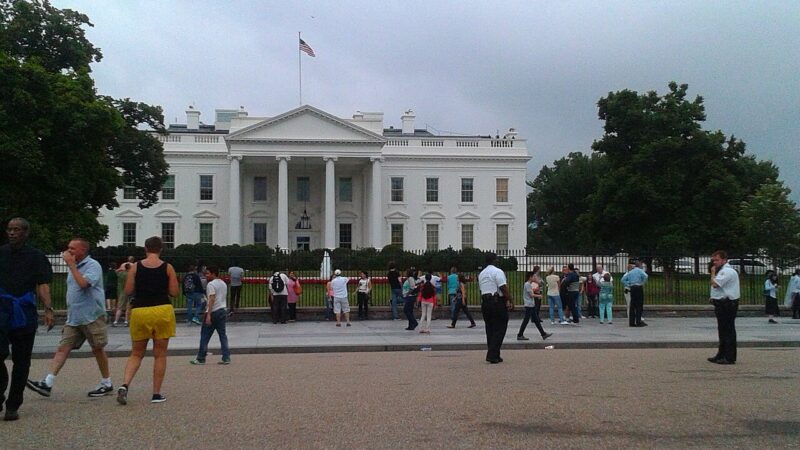
Press access fights can sound procedural, but the principle underneath is not. White House hard passes determine which journalists can be physically present to question officials, join the pool that reports back to hundreds of other outlets, and show the public what its government is doing between elections. When access depends on whether coverage pleases the president, every newsroom working in the building feels the pressure — not only the three named in the lawsuit.
The administration’s position also carries a principle: that access to the White House is a privilege the president can condition on professional standards, and that publishing classified material can justify exclusion. The court has so far accepted the need for standards while rejecting standards too vague to follow.
The legal battle lands just weeks before the November 3 midterm elections, in which Trump’s fellow Republicans are fighting to retain control of Congress, and at a moment when the president’s job approval ratings sit at the lowest of his political career amid concerns over the Iran war and inflation. Whatever Kelly rules by Tuesday, the larger case — over whether a president may bar news organisations whose coverage he dislikes — will continue.