

ADEN — Yemeni government forces backed by Saudi air power say they have pushed Houthi fighters back from much of the coastline around the Bab el-Mandeb Strait, in a rapid advance that reached the outskirts of the port city of Mocha this week.
The internationally recognised government said its troops retook positions in the Dhubab district at the mouth of the strait, including an airstrip, while Yemen’s Defence Ministry said Mocha had fallen. Four government sources described Houthi fighters retreating toward the highlands late on Monday, although the full extent of the gains could not be independently verified.
A strait the world watches
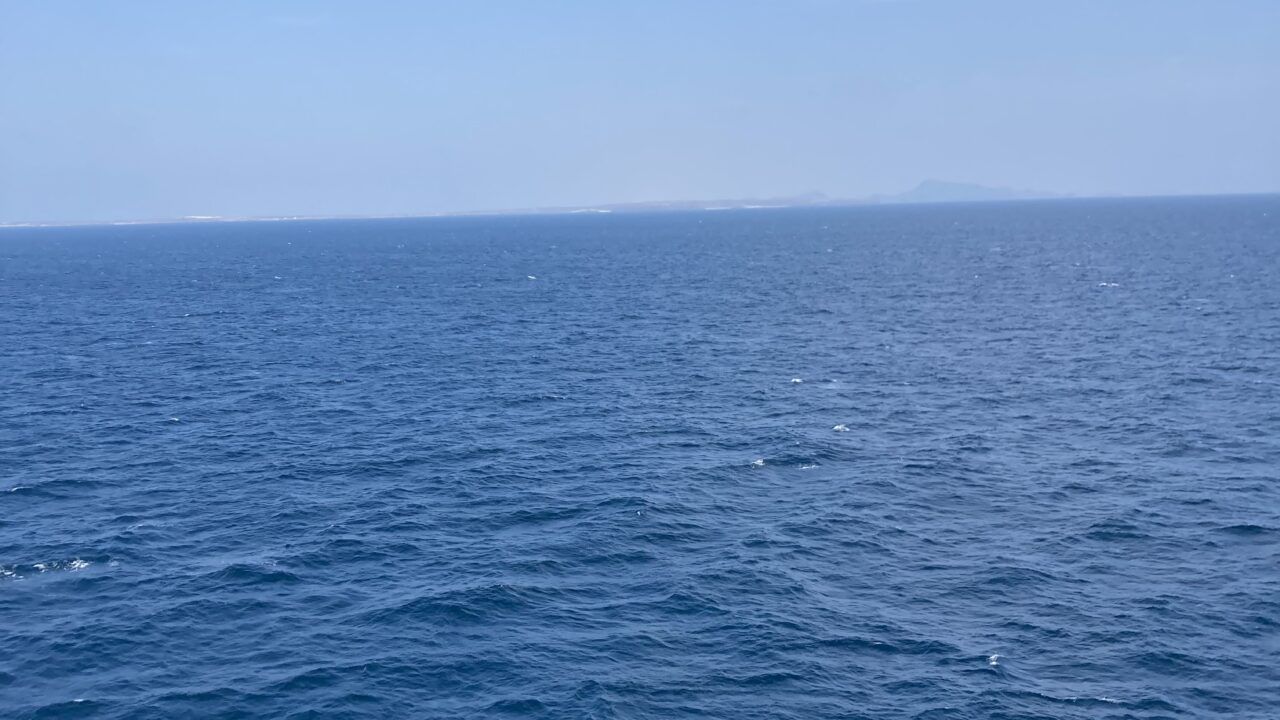
The Bab el-Mandeb connects the Red Sea with the Gulf of Aden and the Indian Ocean. It is one of the narrow passages through which a significant share of global trade and energy shipments move between Europe and Asia. When Houthi forces seized ground around the strait last month, energy markets reacted quickly, especially because the Strait of Hormuz was already disrupted.
For ship operators, even a partial easing matters. If government forces can hold the coastal strip, it becomes harder for Houthi units to position themselves directly over the shipping lanes. It does not remove the risk altogether. The group has used drones and missiles from positions further inland and along other parts of the coast, and analysts caution that control of a town on a map is not the same as safety for a tanker at sea.
Saudi Arabia said it carried out extensive air strikes to support the ground advance, and the Saudi-led coalition said its naval forces conducted an operation in the Red Sea governorate of Hodeidah. Yemen’s information minister said government forces had secured effective control of the strait area and cut off remaining Houthi units there.
Competing claims
The Houthis rejected the government’s account, calling the claims baseless. The group, which controls the capital Sanaa and much of Yemen’s populous northwest, also said it had attacked targets inside Saudi Arabia, including an airport in Riyadh, an oil refinery at Rabigh, Abha airport and a military base at Khamis Mushait. Those claims could not be immediately verified, and there was no immediate response from Saudi authorities or from the energy company named in the reports.
That pattern — a battlefield claim, a counter-claim and no independent confirmation in the first hours — has been a feature of the fighting for years. Journalists have limited access to the front lines, and both sides understand that statements about the strait move oil prices as well as troops.
There were also signs the fighting was not one-directional. Military sources on the government side reported Houthi progress near Taiz, where the group was said to have gained sections of a mountain road. One government source denied the road had been cut. The Houthis have also threatened air traffic in Saudi airspace, a warning that underlines how a local advance can quickly widen into a regional security question.
Why Washington is paying attention
For the United States, the strait is not a distant concern. American and allied navies have spent long periods protecting commercial shipping in the Red Sea, and any change in who holds the shoreline affects insurance costs, delivery times and the price American consumers pay for fuel and goods. US officials have repeatedly treated freedom of navigation through the Bab el-Mandeb as a core interest.
The latest fighting also shows how Yemen’s civil war, dormant in places for stretches, can flare again when a wider regional conflict spills into it. The Houthis sought control of the strait area during that spillover, firing missiles and drones toward Saudi cities and infrastructure while the broader confrontation raised pressure on shipping.
What happens next
The immediate question is whether government forces can hold what they say they have taken. Previous advances in Yemen have stalled when supply lines stretched or when fighting shifted to another front. Holding Mocha and the Dhubab positions would require more than a single day’s advance; it would require keeping roads open, protecting the airstrip and preventing drone attacks from inland positions.
For shipping companies, the test will be practical rather than political. Insurers and captains will watch whether vessels can transit with fewer delays and whether attacks actually fall. A government statement alone is unlikely to change routing decisions that were made when the Houthis first moved on the strait.
What is clear is that a few miles of coastline in western Yemen are again shaping events far beyond Yemen — in energy markets, in Gulf capitals and in Washington. Staff Reports will continue to follow the claims from both sides and report only what can be confirmed.