


NASA and the Department of Energy have signed an agreement to work jointly on nuclear power and propulsion for deep-space missions, formalising plans for a Mars-bound reactor flight this decade and a fission power system for the Moon by 2030.
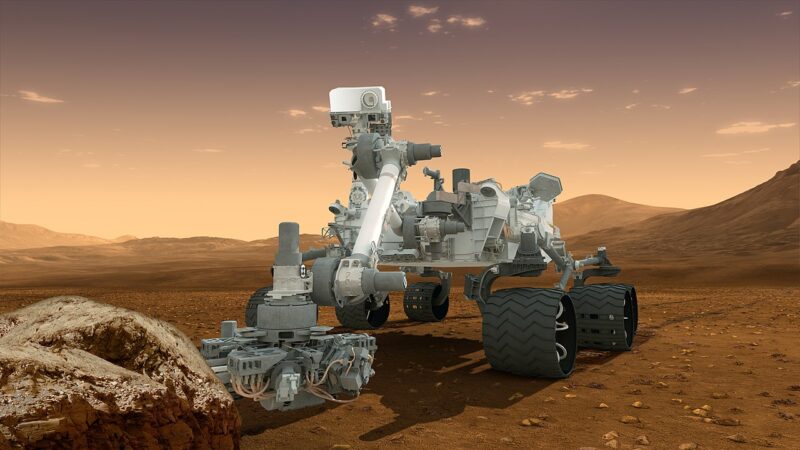
Under the memorandum, the agencies will cooperate on Space Reactor-1 Freedom, a fission-powered spacecraft concept intended to fly to Mars in 2028 carrying a payload of small drones, and on Lunar Reactor-1, a surface power system designed to be launch-ready by 2030 to support a sustained presence on the Moon.
Officials said the partnership answers a December 2025 executive order directing faster development of space nuclear systems, which advocates consider essential because solar power weakens with distance from the Sun and lunar nights last two weeks.
A fission reactor on the Moon could keep habitats, rovers and science instruments running through the long night and in permanently shadowed craters where water ice is thought to exist. For Mars, nuclear propulsion or surface power could shorten crew exposure to radiation by enabling faster transits and reliable energy at the surface.
Both projects face formidable engineering and regulatory work, from launching radioactive material safely to cooling reactors in a vacuum. But agency leaders presented the signing as the moment the programmes moved from concept studies to an organised, shared commitment with dates attached.
Engineers have pursued space fission for decades, but previous programmes were repeatedly cancelled before flight. A small reactor launched cold and activated only in space avoids the most serious launch risks, and modern designs build on ground tests of compact reactor concepts completed in recent years.
The Moon timeline is deliberately aggressive: a reactor ready by 2030 would arrive as international competition to establish a durable lunar foothold intensifies. Industry partners are expected to compete for the hardware contracts, with the agencies sharing oversight, testing facilities and the long trip’s worth of paperwork.