

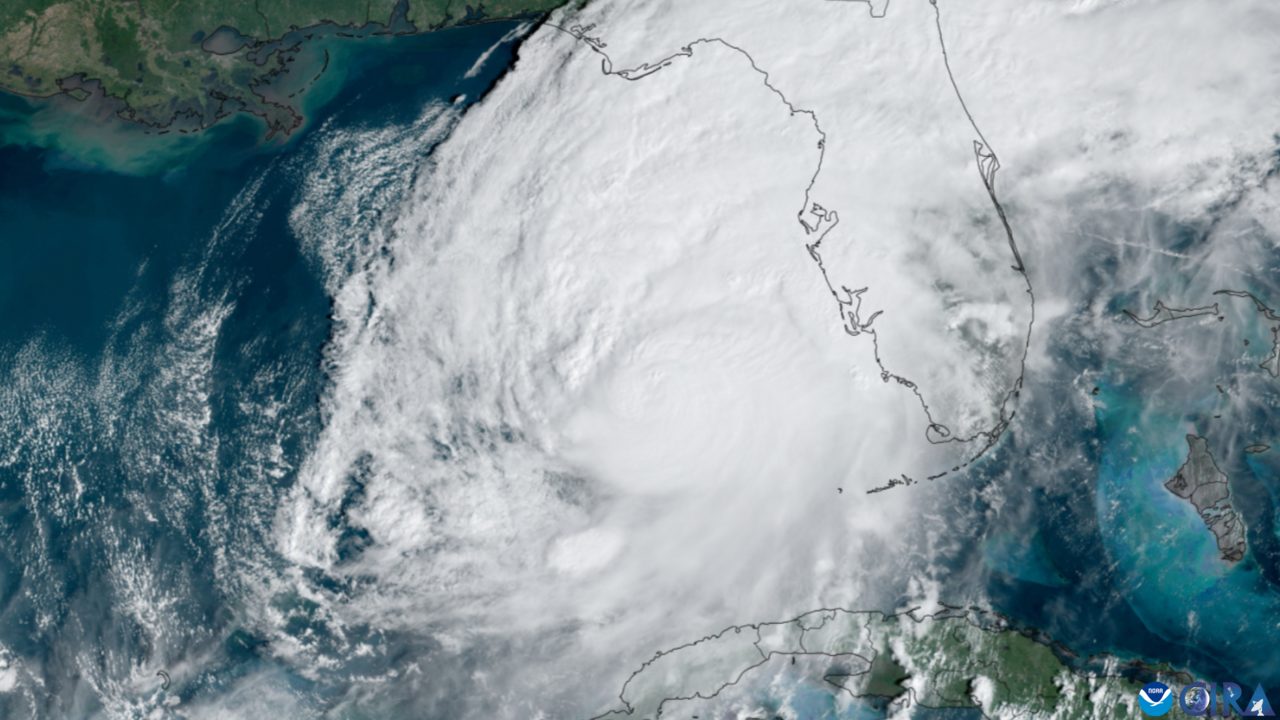
Hurricane Isaias drove fierce winds, heavy rain and flooding toward the US Gulf Coast on Friday, knocking out power to hundreds of thousands of customers in Louisiana as the storm edged toward an expected landfall near the Texas-Louisiana border.
Residents along the coast boarded up windows and fuelled generators while state officials positioned emergency crews. Louisiana’s National Guard was deployed to support parishes in the storm’s path, and officials warned that saturated ground and already-swollen waterways could worsen flooding even where the strongest winds miss.
Forecasters said the storm was slowly weakening, but stressed that a weaker hurricane can still push dangerous water ashore and dump flooding rain far inland. The greatest concern, they said, was the combination of storm surge at the coast and intense rainfall bands training over the same communities for hours.
Utility companies staged repair crews outside the expected impact zone so restoration could begin as soon as conditions allowed. Parish officials urged residents in low-lying areas to finish preparations and avoid driving through flooded roads, a leading cause of storm deaths.
The storm’s approach disrupted a busy autumn weekend along the Gulf, with schools, ports and refineries adjusting schedules. Emergency managers said the next several hours would determine whether Isaias is remembered mainly for wind damage or for the water it leaves behind.
The Gulf Coast is no stranger to late-season storms, but each landfall tests a different combination of tides, rainfall and infrastructure. Officials said shelters were open in the most exposed parishes and urged anyone who stayed behind to keep phones charged and weather radios on through the night, when tornadoes spun up by the storm’s outer bands can be hardest to spot.
Once the centre passes, attention will shift quickly to damage assessment and the slower emergency of flooding, which often peaks a day or more after the winds fall. Insurers and federal disaster officials are expected to begin surveys as soon as roads reopen.