The United Nations trade body UNCTAD expects world economic growth to slow to 2.6 percent in 2026, down from 2.9 percent in 2025, as an energy shock linked to the Middle East weighs on the global economy.
The forecast reflects the cost of higher energy prices, which raise transport and production expenses and leave households with less to spend. Slower growth of this kind is rarely dramatic, but it is felt widely across jobs, trade and public budgets.
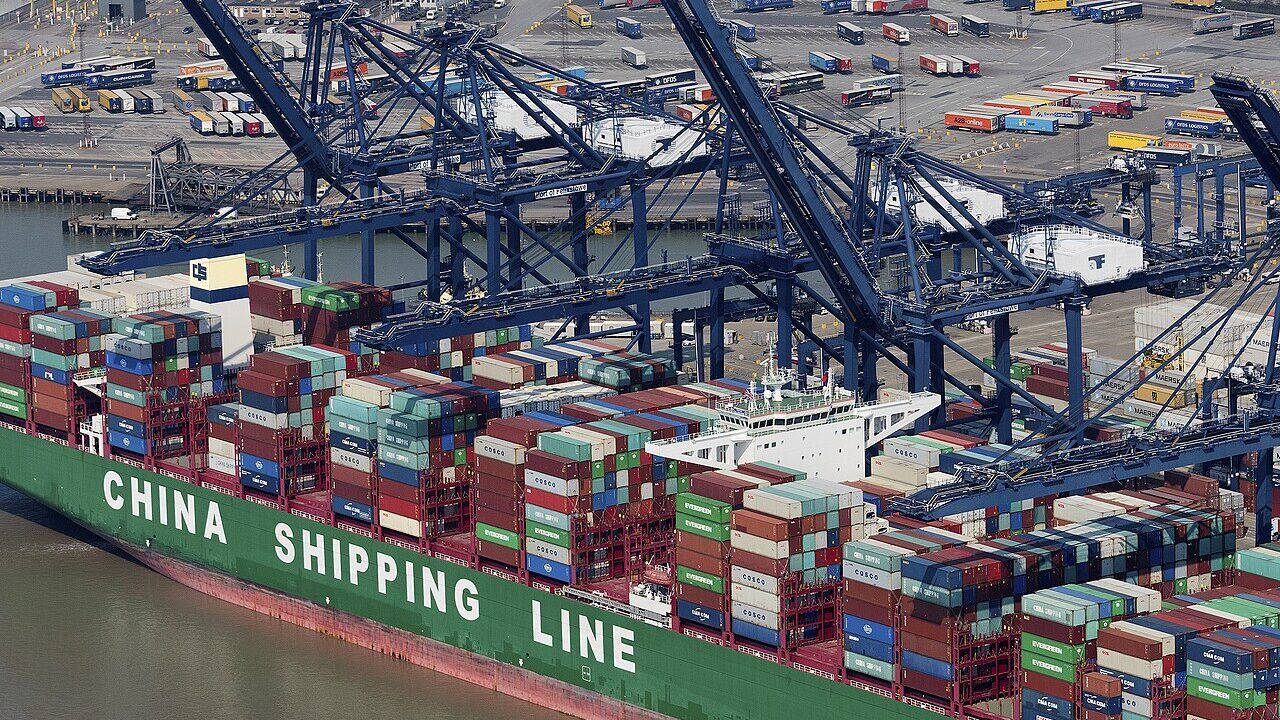
According to UNCTAD, trade in goods and services may still expand by about 4 percent in constant prices. That follows a record year in which global trade reached around 35 trillion dollars in 2025, helped in part by the higher prices of energy itself.
Asia is expected to carry much of the world’s growth. UNCTAD projects the region will account for about 59 percent of global expansion, with India growing at 7.3 percent, China at 4.5 percent and Indonesia at 5.2 percent.
Those figures underline a familiar pattern. Large Asian economies continue to grow faster than most advanced economies, even as they face their own pressures from energy imports and weaker demand abroad.
For poorer countries, the risks are sharper. Higher fuel and food costs can stretch public finances and push up inflation, while slower world growth makes it harder to earn income from exports.
UNCTAD’s outlook is a forecast, not a certainty. If energy markets calm, growth could do better than expected. If the shock deepens or spreads, the slowdown could be worse.
For now, the message from the UN agency is one of caution: the world economy is still moving forward, but with less speed and with more of the burden falling on Asia to keep it going.