

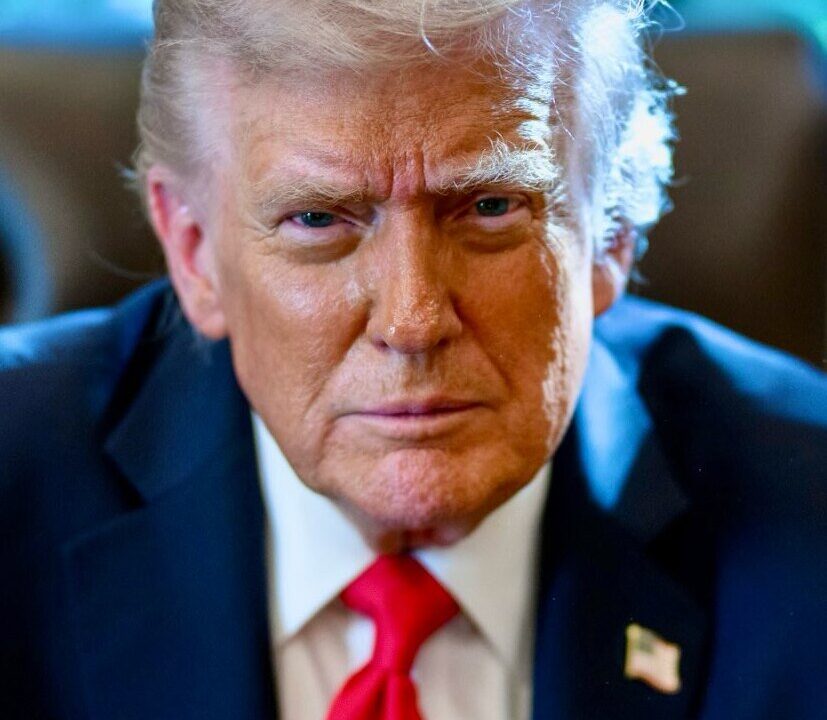
A federal judge has ordered President Donald Trump to sit for a deposition in his own defamation lawsuit against the BBC by December 11, setting up the remarkable prospect of a sitting president answering questions under oath in a case he filed himself. The order, reported by the Associated Press and NPR, turns the tables after Trump had asked the court to delay his deposition.
The ruling means Trump must give sworn testimony about his claims against the British broadcaster within weeks. Depositions are a standard part of civil litigation, but they become politically charged when the deponent occupies the Oval Office. Anything Trump says under oath can be used at trial, and transcripts of high-profile depositions often become public, inviting close scrutiny of every answer.
Why the order matters
The judge’s decision closes off the delay strategy, at least for now. Trump had sought more time before facing the BBC’s lawyers, but the court set a firm deadline instead. According to reports, the December 11 date gives both sides a clear timetable as the case moves toward its next phase. The BBC has not publicly detailed its full defence strategy, but in defamation cases defendants typically probe whether the statements at issue were made with the required level of fault and whether they caused the damages claimed.
Presidential depositions, while unusual, are not without precedent. Sitting presidents have given sworn testimony in civil cases before, and courts have generally held that the office does not place a president beyond the reach of the judicial process in private litigation. Legal analysts note that the questioning is likely to range across the events described in Trump’s complaint, testing the factual basis of his allegations line by line.
What comes next
With the deadline set, attention turns to logistics and scope. The two sides must agree on a time and place, and Trump’s legal team may still seek to narrow the topics the BBC’s lawyers can cover. Any further attempt to postpone would need fresh arguments strong enough to move a judge who has already chosen a firm date. For now, December 11 is circled on the legal calendar, and as earlier reporting on high-stakes diplomacy has shown, deadlines imposed by courts have a way of concentrating minds. The broader ceasefire and negotiations landscape also reminds readers how quickly set-piece events can reshape a political week. The deposition, if it proceeds as ordered, will be one of the most closely watched legal events of the year, according to NPR’s morning brief.